Worldwide Occasions Determine Reward Level Advances Within Application-Based Table Game Environments
Jordan Müller · Aug 7, 2026
Worldwide Occasions Determine Reward Level Advances Within Application-Based Table Game Environments
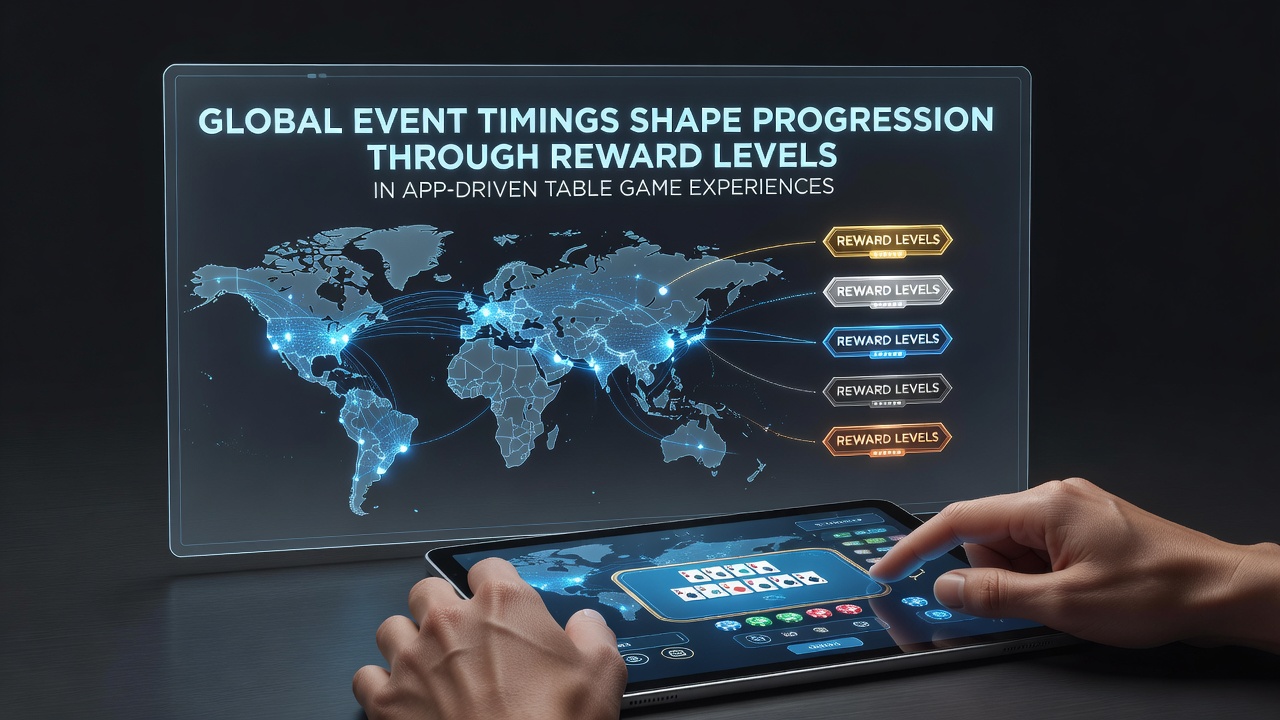
Global event timings influence how players advance through reward levels in app-driven table game platforms, and data from multiple markets show clear correlations between major holidays, sports tournaments, and seasonal festivals with changes in user activity and tier progression rates. Researchers tracking mobile blackjack, baccarat, and poker sessions across regulated jurisdictions note that peak engagement windows often align with these external calendars, which in turn affects how quickly participants unlock higher loyalty stages and associated multipliers.
Calendar Patterns and User Activity Windows
Studies conducted by gaming analytics firms reveal that major international events create predictable surges in session starts and deposit frequencies, and these surges frequently translate into accelerated movement through reward tiers. For instance, periods surrounding the FIFA World Cup and the Olympic Games produce measurable increases in table game play across European and Asian markets, while Lunar New Year celebrations drive similar activity spikes in Southeast Asian and Pacific regions. Observers note that platforms adjust bonus structures and progression thresholds in response to these patterns, allowing users who log in during high-traffic windows to complete tier requirements more rapidly than during quieter months.
Data collected through 2025 and into mid-2026 indicate that reward systems tied to cumulative playtime and wager volume respond directly to these global rhythms. Players who participate during August 2026 festival periods, including regional harvest events and late-summer sports finals, show higher rates of tier advancement compared with baseline months, according to internal platform metrics shared with industry analysts.
Mechanics of Tier Progression During Peak Periods
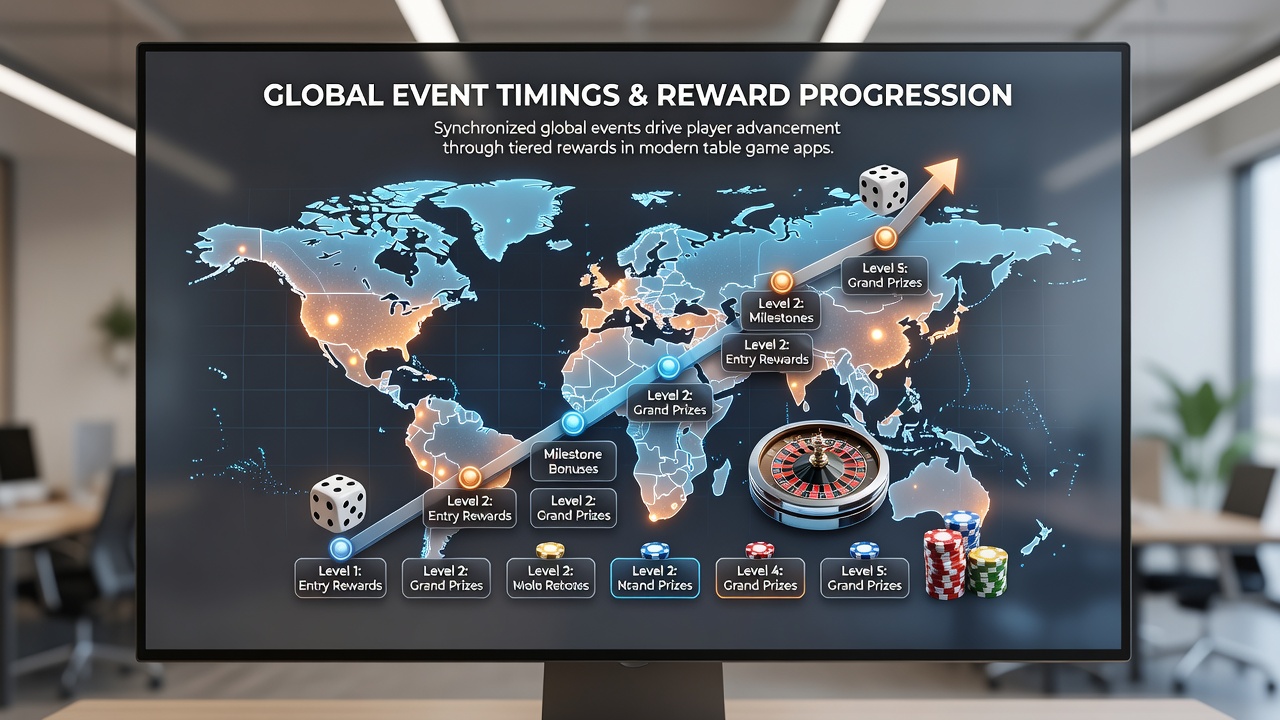
App-based table game environments typically structure reward levels around a combination of session frequency, total wagers placed, and specific game outcomes, and global events alter the speed at which these metrics accumulate. When a major holiday coincides with promotional campaigns, users often receive temporary boosts to point multipliers or reduced thresholds for the next tier, which shortens the time required to climb. Platform operators monitor real-time traffic from different time zones and deploy these adjustments to maintain engagement across regions where local celebrations overlap with international ones.
One analysis of European and North American markets found that reward level completion rates rose by measurable margins during the December holiday stretch and again during the March Madness college basketball tournament window. Those same datasets show that progression slows in the weeks immediately following large-scale events, suggesting that timing strategies play a decisive role in how efficiently players move upward through the tiers.
Regional Variations and Platform Responses
Different geographic markets exhibit distinct responses to the same global calendar, and platform developers tailor progression mechanics accordingly. In markets where summer sporting events dominate attention, operators introduce limited-time table game variants that award bonus points toward tier advancement, while regions focused on cultural festivals see increased emphasis on live dealer sessions with synchronized reward multipliers. These adjustments reflect observed differences in player behavior rather than uniform global policies.
Regulatory bodies in multiple jurisdictions, including the American Gaming Association and Australian state gaming commissions, have documented how event-driven traffic affects responsible gaming metrics, and some platforms now incorporate automatic reminders about session limits during known high-activity periods. This approach helps balance accelerated reward progression with player protection requirements across diverse regulatory environments.
Future Outlook and Data Integration
Industry reports project continued refinement of reward algorithms that incorporate global event data as a core input, and several major operators have begun testing predictive models that anticipate tier advancement rates based on upcoming calendar entries. These models draw on historical traffic patterns from 2024 through 2026 and factor in time-zone overlaps to optimize bonus deployment across user bases. The result is a more dynamic system where progression opportunities expand or contract in alignment with worldwide occasions rather than remaining static across the year.
Conclusion
Global event timings exert measurable influence on reward level progression in app-driven table game experiences, and platforms continue to integrate calendar awareness into their tier mechanics to match observed player behavior. Data from multiple markets demonstrate that users who align their activity with peak windows tied to international holidays and tournaments advance more efficiently through reward structures, while operators refine their systems in response to these recurring patterns. As predictive tools become more sophisticated, the connection between worldwide occasions and digital reward advancement is expected to grow even more precise.