Tracing Connections Between Session Lengths and Multiplier Triggers Across App-Based Wheel Simulations in Regulated Digital Frameworks
Zoe Lang · Jun 15, 2026
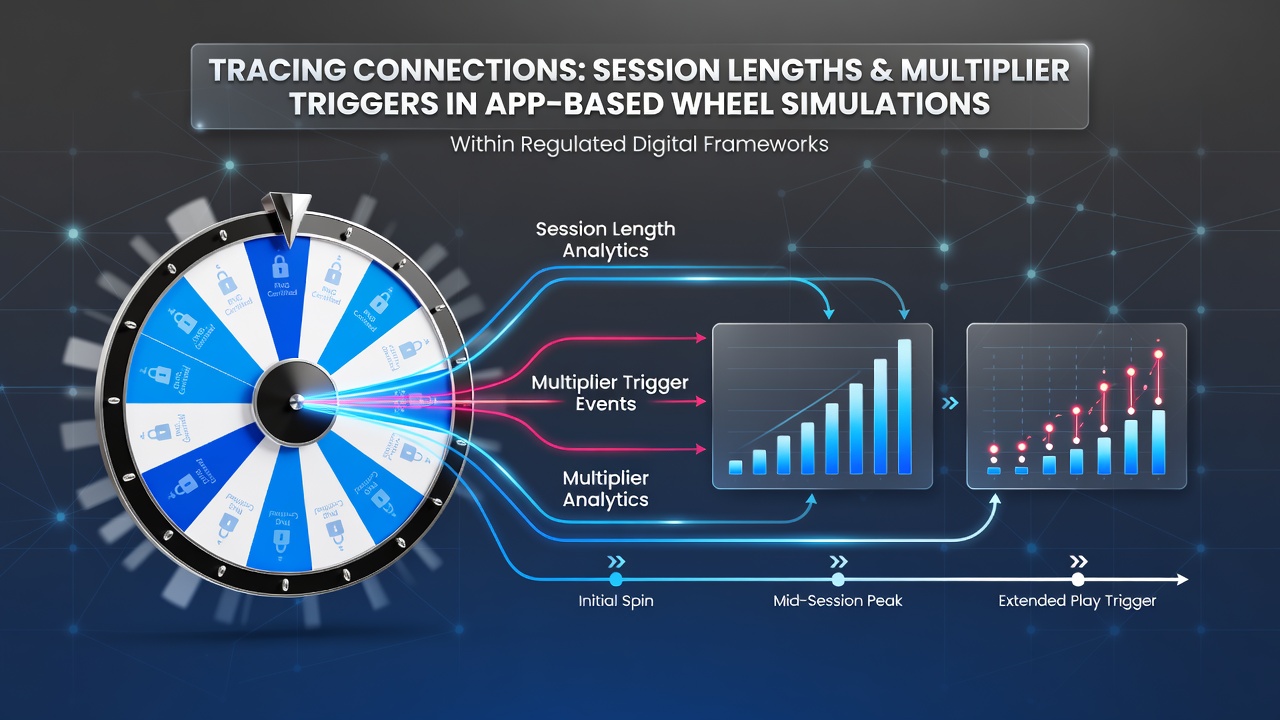
Tracing Connections Between Session Lengths and Multiplier Triggers Across App-Based Wheel Simulations in Regulated Digital Frameworks
App-based wheel simulations operate within tightly controlled digital frameworks where random number generators determine outcomes and session data gets logged for compliance purposes. Operators track variables such as play duration and multiplier activation rates because regulators require detailed reporting on game fairness and player behavior patterns. Longer sessions naturally accumulate more spins which increases the statistical probability of hitting multiplier events though the underlying algorithms remain independent of time spent.
Session Duration Metrics in Licensed Markets
Regulated platforms collect anonymized telemetry that reveals how play intervals align with reward mechanics. In markets like New Jersey and Ontario, operators submit quarterly summaries that include average session lengths alongside frequency of bonus features. Data compiled by the New Jersey Division of Gaming Enforcement shows sessions exceeding 45 minutes display higher cumulative multiplier activations per user compared with shorter bursts under 15 minutes. This pattern emerges because each spin carries its own independent trigger chance yet extended exposure compounds the total events recorded.
Researchers examining portable wheel titles note similar distributions across European jurisdictions where mobile traffic dominates. Sessions that stretch past the one-hour mark often coincide with sequences where multipliers stack during consecutive rounds though the base probability stays fixed by certified RNG systems. Those who analyze these datasets emphasize that correlation does not imply causation since players who remain engaged longer simply sample more trials from the same distribution.
Multiplier Mechanics and Regulatory Oversight
Wheel simulations incorporate multipliers through defined pay tables that must receive approval from testing laboratories before deployment. Authorities such as the Malta Gaming Authority require documentation that proves multiplier triggers follow documented probabilities regardless of session length. Compliance teams monitor live feeds to confirm no external factors like elapsed time alter the random sequence generation process.
Yet patterns surface in aggregated reports because human behavior influences how long individuals continue after an initial multiplier appears. When a player receives an early boost the session frequently extends as engagement rises which then produces additional multiplier opportunities later. Observers reviewing data from multiple operators note this feedback loop appears consistently across different regulatory environments.
June 2026 Reporting Updates and Data Visibility
Beginning in June 2026 several North American regulators introduced standardized fields for session analytics in monthly submissions. These additions allow cross-operator comparisons of multiplier frequency plotted against median play duration. Early releases indicate that sessions between 30 and 60 minutes account for a disproportionate share of recorded multiplier events relative to their volume although the per-spin rate remains uniform. Analysts attribute the concentration to typical user retention curves rather than any mechanical bias within the simulations themselves.
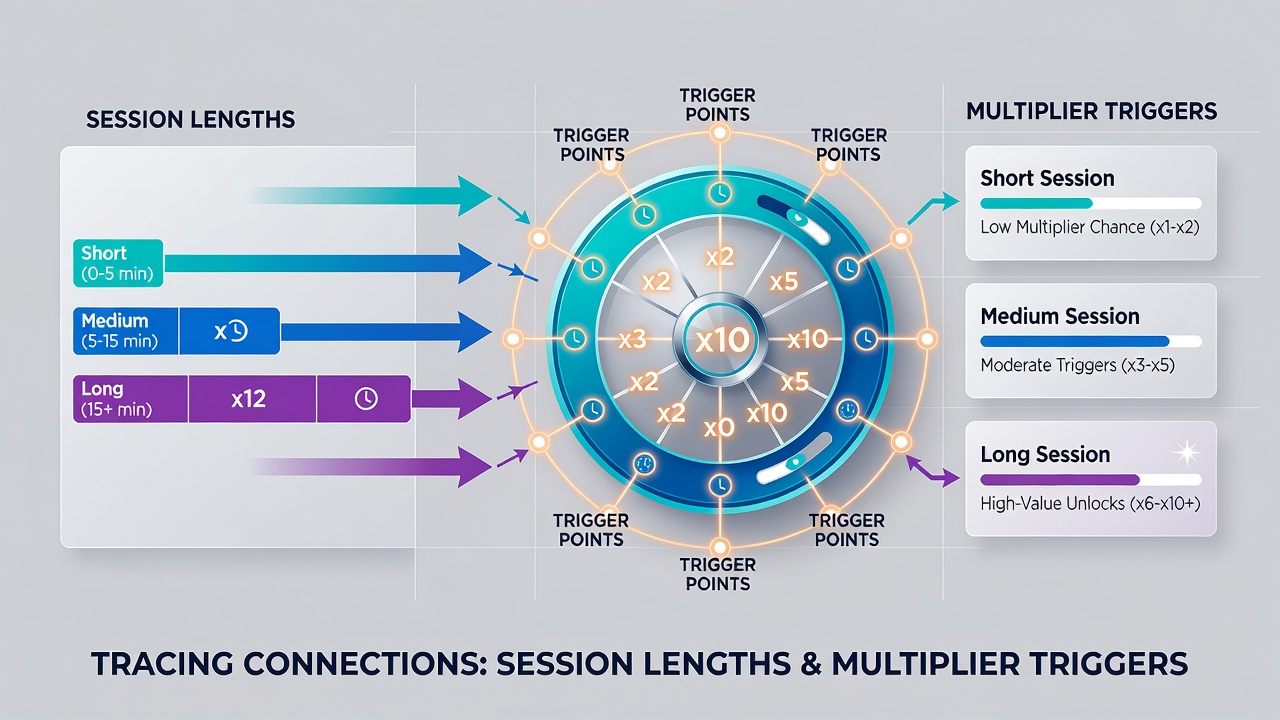
Comparative Analysis Across Jurisdictions
Studies conducted by the University of Nevada Reno gaming research group examined datasets from multiple licensed frameworks and found parallel trends. In Australian markets governed by state-level oversight longer continuous sessions correlated with elevated total multiplier counts per account while average trigger probability per spin stayed constant. Similar findings emerged from reports filed with the Alcohol and Gaming Commission of Ontario where mobile wheel titles underwent periodic audits.
Operators adjust interface elements such as auto-spin timers and session reminders in response to these aggregated insights though the adjustments serve compliance rather than outcome modification. The ball remains in the regulatory court to determine whether future guidelines will require explicit disclosure of these observed correlations to end users.
Technical Implementation in App Frameworks
Developers embed session tracking directly into the client application so that every spin timestamp and multiplier result transmits to secure servers in real time. Encryption standards mandated by bodies like the Isle of Man Gambling Supervision Commission ensure data integrity during transfer. Backend systems then aggregate these records into heat maps that highlight periods of elevated multiplier activity relative to elapsed play time.
Because each jurisdiction imposes distinct logging requirements the same wheel simulation may generate different reporting outputs depending on the license under which it operates. Teams responsible for multi-market deployments maintain separate compliance modules that format data according to local specifications while preserving the core RNG behavior across all instances.
Conclusion
Connections between session lengths and multiplier triggers in regulated app-based wheel simulations arise from straightforward statistical accumulation combined with observable user retention patterns. Regulatory reporting enhancements scheduled for June 2026 continue to illuminate these relationships without altering the certified randomness of individual outcomes. Market participants rely on verified datasets from sources including the New Jersey Division of Gaming Enforcement and academic analyses to maintain transparent operations across licensed digital environments.