Tracing behavioral data clusters that link app session timing to symbol alignment rates in regulated portable reel systems across multiple jurisdictions
Jordan Müller · Jun 22, 2026
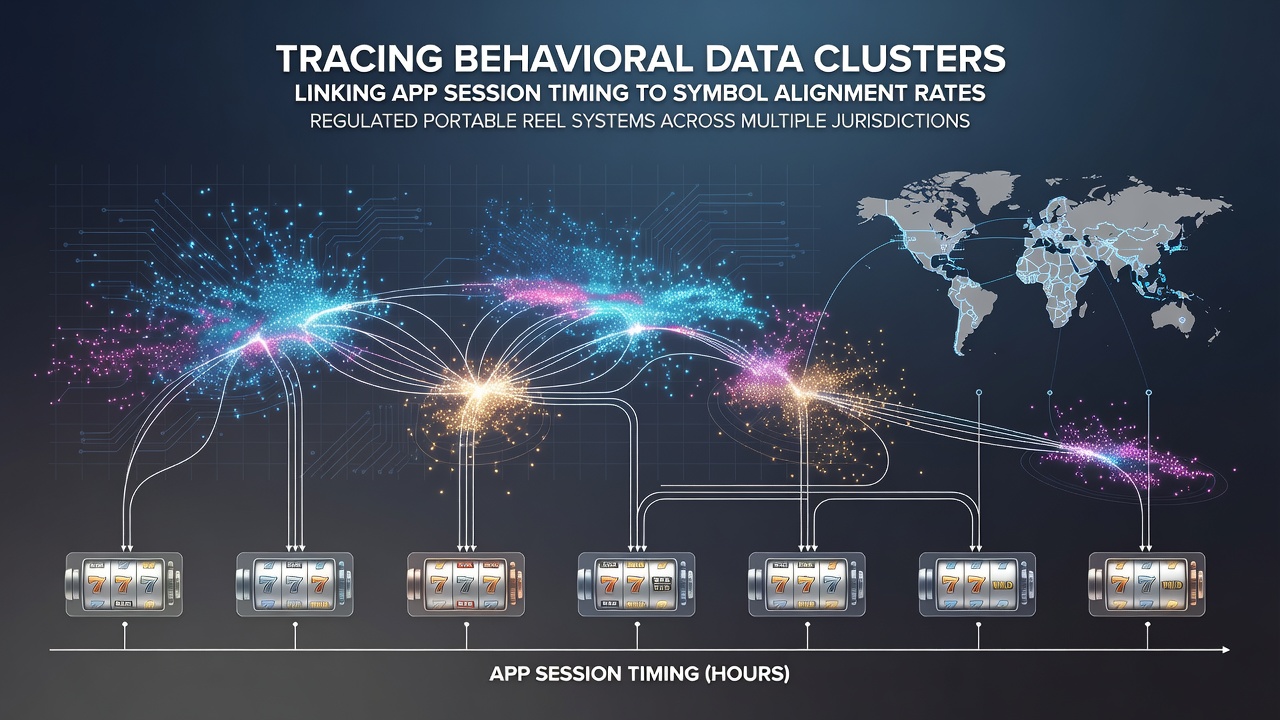
Tracing behavioral data clusters that link app session timing to symbol alignment rates in regulated portable reel systems across multiple jurisdictions
Analysts tracking mobile gaming platforms have identified distinct behavioral clusters where users engage with regulated reel applications at specific times of day and experience measurable differences in symbol alignment frequencies. These patterns emerge from aggregated datasets collected across licensed markets in North America, Europe, and parts of Asia, where operators maintain detailed logs of session starts, durations, and reel outcomes.
Session timing refers to the hour when an application launches combined with total time spent in active play while symbol alignment rates measure how often matching icons land on designated paylines during those windows. Researchers compiling information from multiple regulatory frameworks note that peak activity often clusters between evening hours in one jurisdiction and late morning in another, producing observable variances in alignment statistics.
Cross-jurisdictional data collection methods
Regulated environments require operators to record precise timestamps for every reel spin initiated through portable devices, creating large repositories that third-party analysts can query under strict privacy protocols. In June 2026 several oversight bodies released updated technical standards mandating granular logging of session metadata while preserving user anonymity through tokenization processes. These standards allow comparative studies that group sessions by start time, length, and geographic location without exposing individual identities.
One dataset compiled from North American and Australian sources revealed that sessions beginning after 8 p.m. local time showed higher concentrations of three-symbol alignments on mid-volatility titles compared with sessions started between 10 a.m. and noon. The same records indicated that shorter bursts lasting under twelve minutes produced fewer five-symbol alignments regardless of jurisdiction.
Cluster identification techniques
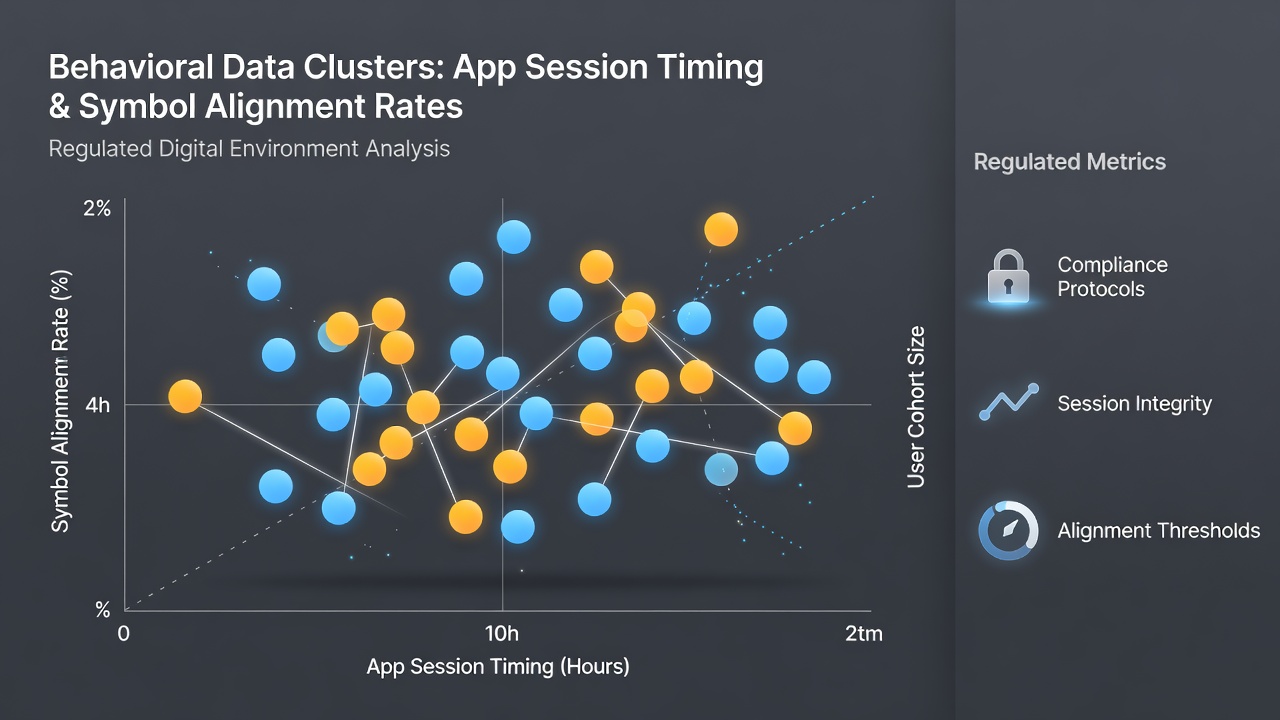
Statistical models applied to these logs segment user behavior into clusters using variables such as session initiation hour, average spin interval, and cumulative alignment counts per minute. Machine learning algorithms sort the resulting groups, highlighting correlations that remain consistent across different licensing regimes. Observers note that clusters associated with weekday evenings frequently overlap in timing patterns even when the underlying regulatory frameworks differ substantially.
Figures released by the New Jersey Division of Gaming Enforcement in early 2026 documented alignment rate distributions that aligned closely with findings from Ontario’s iGaming compliance reports, suggesting that temporal factors exert similar influence on reel outcomes irrespective of regional rule sets. Analysts continue to refine clustering parameters to account for device type and network conditions that may affect data transmission latency.
Regulatory implications and reporting requirements
Licensing authorities in several jurisdictions now request periodic summaries of alignment data segmented by session timing so that fairness assessments can incorporate temporal context. These reports help verify that random number generators function uniformly across all operating hours rather than exhibiting unintended drift during high-traffic periods. Operators must submit aggregated cluster summaries that demonstrate compliance without revealing proprietary algorithms or individual player records.
European regulators have adopted comparable approaches, requiring operators to flag any cluster where alignment rates deviate beyond established thresholds during particular time bands. Such requirements encourage continuous monitoring systems that automatically detect and report anomalies to oversight bodies within defined timeframes.
Technical infrastructure supporting analysis
Portable reel systems rely on server-side processing that timestamps every spin request and outcome, feeding this information into centralized data lakes designed for large-scale analytics. Secure application programming interfaces allow authorized researchers to query these repositories while encryption protocols prevent unauthorized access. The resulting datasets support longitudinal studies that track whether identified clusters remain stable over multiple quarters or shift in response to game updates and seasonal factors.
Industry groups such as the Gaming Standards Association have published technical guidelines that standardize timestamp formats and alignment metrics, making cross-border comparisons more reliable. These guidelines specify minimum data fields that every licensed platform must capture, thereby reducing inconsistencies that previously complicated multi-jurisdictional research.
Future monitoring and standardization efforts
Work continues on harmonizing cluster definitions so that findings generated in one regulatory environment can be validated against datasets from others. Proposed frameworks would establish common time-zone normalization procedures and uniform definitions for symbol alignment categories, enabling more precise benchmarking. Several academic institutions have begun pilot projects that apply these emerging standards to historical logs spanning 2024 through mid-2026.
Conclusion
Behavioral data clusters that connect app session timing to symbol alignment rates now form a recognized component of regulatory oversight in multiple jurisdictions. Continued refinement of collection methods, clustering algorithms, and reporting standards supports consistent evaluation of portable reel systems while maintaining compliance with diverse licensing requirements. The patterns documented through these efforts provide operators and regulators with objective metrics for assessing performance across time zones and market segments.