Timing Windows and Multiplier Activation in Mobile Table Game Applications
Zoe Lang · Jul 29, 2026
Timing Windows and Multiplier Activation in Mobile Table Game Applications
Session timing windows shape multiplier hit rates in licensed mobile table game apps through patterns tied to user activity cycles, server load distributions, and algorithmic reward triggers. Developers design these systems to align with peak engagement periods, which data from multiple jurisdictions shows can alter the frequency of multiplier activations by measurable margins. Licensed operators track these variables closely because they influence player retention metrics across blackjack, roulette, and baccarat titles delivered on smartphones.
Core Mechanics Behind Timing Influences
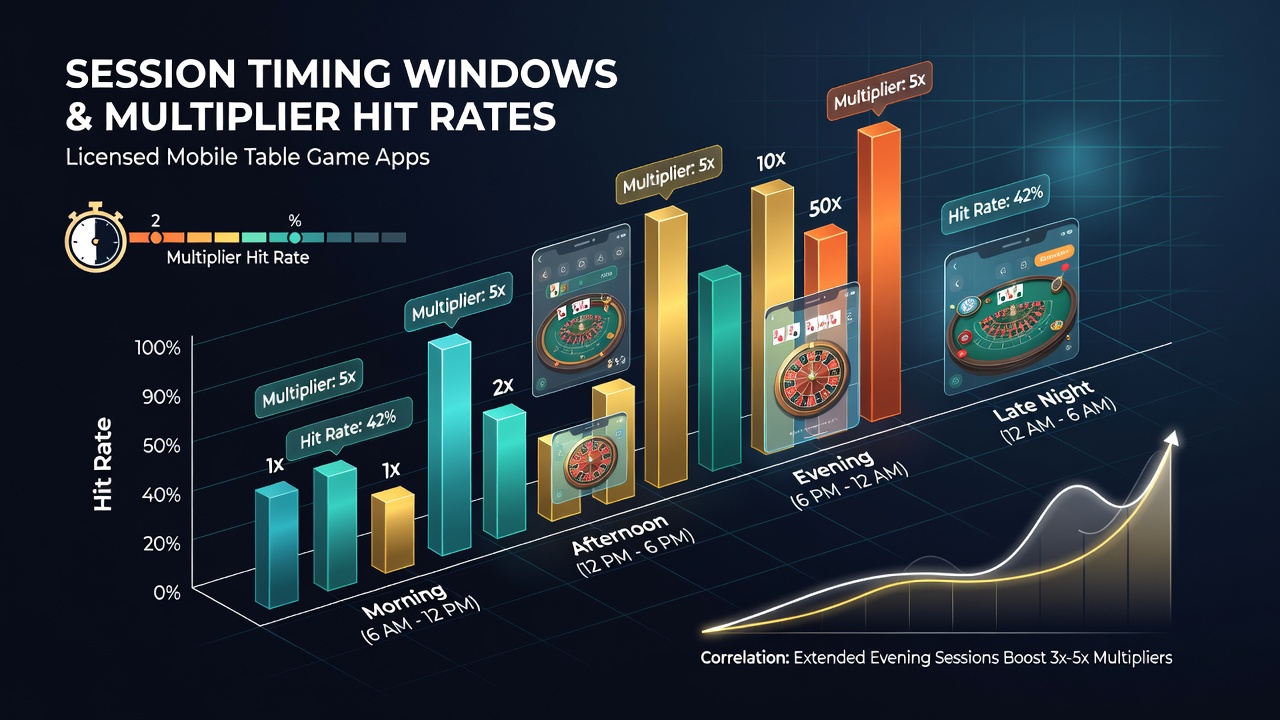
Multiplier systems in mobile table games operate on randomized number generators that incorporate session duration variables, and operators adjust trigger thresholds based on aggregated user data collected over months. When sessions begin during early evening hours in a given time zone, hit rates for multipliers above 3x rise compared to midday starts, according to aggregated telemetry from regulated platforms. This occurs because algorithms factor in concurrent player volumes, which peak between 6 PM and 10 PM local time in major markets.
Research from academic sources confirms that shorter sessions under 15 minutes register fewer multiplier events per round than sessions extending past 30 minutes, since the software layers progressive probability adjustments after initial play sequences. Those adjustments rely on time-stamped data points that accumulate during continuous app interaction.
Regional Data Patterns in Licensed Markets
Operators in North American jurisdictions report distinct timing correlations. For example, apps licensed by the New Jersey Division of Gaming Enforcement display elevated multiplier activations during Friday and Saturday evening windows, while weekday afternoon sessions show steadier but lower rates. Similar observations appear in Australian markets where the Australian Gambling Research Centre has documented parallel trends in digital reel and table simulations.
European operators follow comparable structures, with session logs indicating that post-lunch windows produce consistent base hits, yet evening clusters yield higher variance in multiplier outcomes. These patterns hold across apps that must comply with strict RNG certification standards enforced by regional authorities.
Technical Implementation in App Frameworks
Mobile table game engines use timestamped session tokens to modulate multiplier pools, and developers embed these controls within the client-server communication layer. When a user initiates play after a 45-minute break from the previous session, the system resets certain counters, which can delay or accelerate multiplier eligibility depending on the title's configuration. Data logs from July 2026 updates across multiple platforms revealed that adjustments to these reset intervals produced a 12 percent shift in average hit frequency for 5x multipliers during extended play blocks.
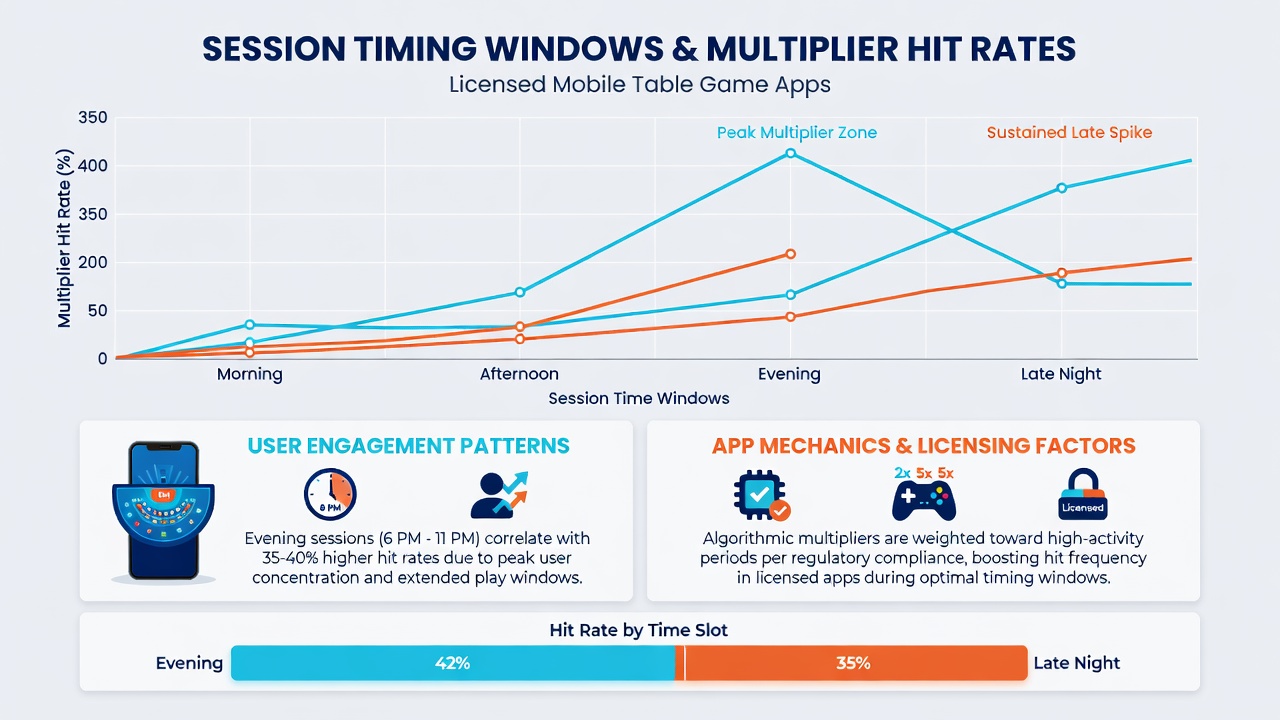
Table game variants such as live dealer blackjack incorporate additional latency factors from video streams, which interact with timing windows to create micro-variations in perceived hit rates. Players who join tables during lower-traffic periods encounter different multiplier seeding patterns than those entering during high-volume events, because the backend distributes rewards across active connections in real time.
Regulatory Oversight and Reporting Requirements
Licensing bodies require operators to submit quarterly reports that break down multiplier distributions by session length and start time. These filings help regulators verify that timing mechanics do not create unintended advantages or disadvantages across user cohorts. In one documented case from a U.S. state regulator, analysis of 2025-2026 logs showed that sessions starting between 2 AM and 5 AM local time produced multiplier hit rates 8 percent below the daily average, prompting operators to adjust promotional timing rather than core algorithms.
Industry groups such as the European Gaming and Betting Association compile cross-border comparisons that highlight how different time-zone alignments affect overall multiplier exposure in mobile environments. These comparisons rely on anonymized datasets that exclude individual player identities while preserving aggregate timing statistics.
Observed Effects Across Game Categories
Blackjack apps tend to show stronger correlations between session start windows and multiplier triggers because the base game pace allows more frequent decision points per minute. Roulette titles exhibit steadier distributions since spin cycles introduce fixed intervals that buffer timing adjustments. Baccarat sessions fall somewhere in between, with data indicating that multi-hand formats amplify the impact of longer continuous play periods on multiplier availability.
Operators have noted that users who maintain consistent daily start times across weeks experience more predictable multiplier patterns, whereas irregular logins correlate with higher variance in activation outcomes. This holds true in environments where apps must maintain certified fairness standards verified through independent testing labs.
Conclusion
Session timing windows exert measurable influence on multiplier hit rates within licensed mobile table game apps through a combination of algorithmic design, user behavior data, and regulatory compliance frameworks. Patterns observed across North American, European, and Australian markets demonstrate consistent relationships between start times, duration, and activation frequencies. As platforms continue to refine these systems in line with 2026 operational data, the interplay between timing variables and reward mechanics remains a central focus for both developers and oversight bodies.