Symbol Frequency Alignments with Peak User Activity Windows in Emerging Digital Reel Networks Across Licensed Jurisdictions
Zoe Lang · Jun 1, 2026
Symbol Frequency Alignments with Peak User Activity Windows in Emerging Digital Reel Networks Across Licensed Jurisdictions
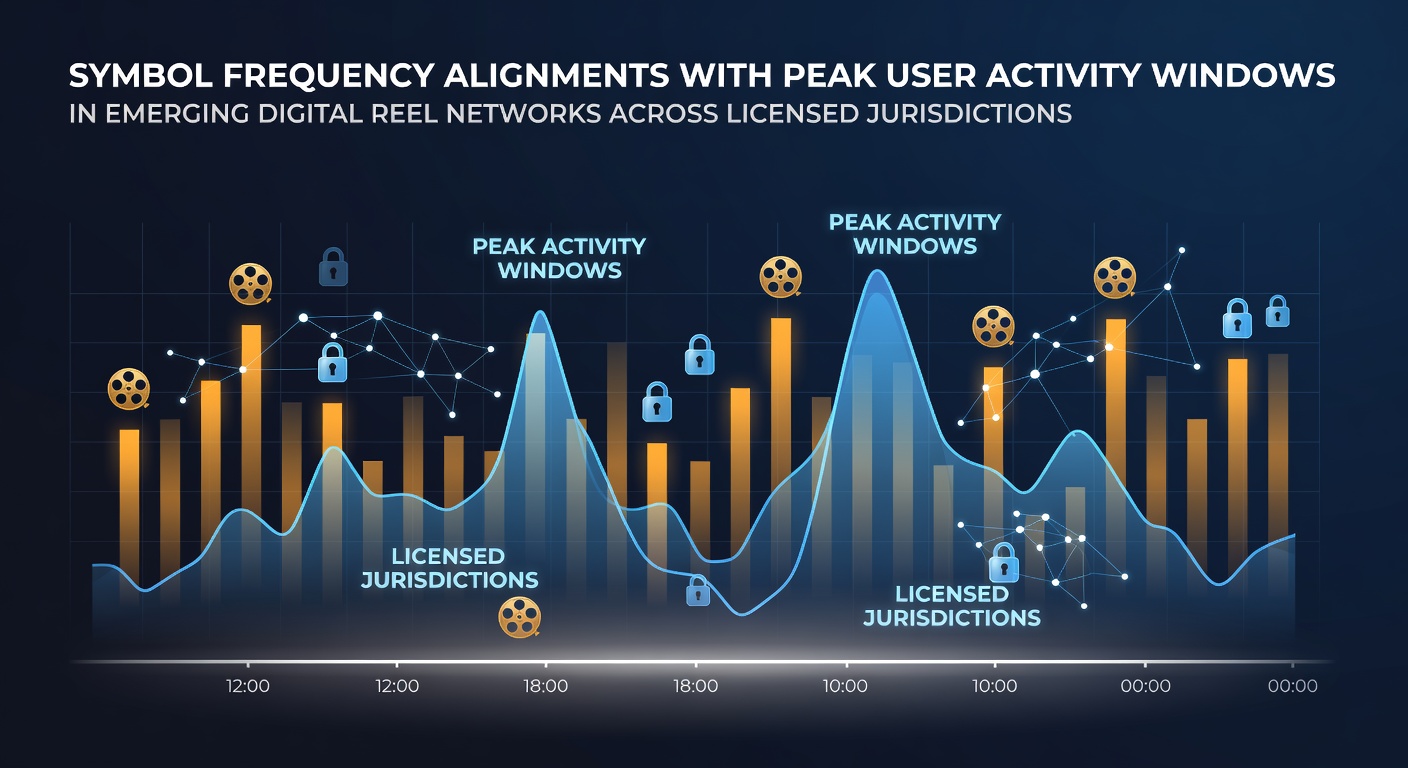
Digital reel networks in licensed online gaming environments generate data on symbol frequencies that align with documented periods of elevated user engagement across multiple jurisdictions. Operators track these alignments through backend analytics systems that record reel outcomes alongside timestamped session data from registered accounts. Research from regulatory bodies shows consistent patterns where certain symbol combinations appear at higher rates during evening hours in regions with established igaming frameworks.
Understanding Symbol Distributions in Regulated Reel Systems
Licensed platforms configure reel mechanics under strict technical standards that define symbol weights and return-to-player percentages. These configurations remain fixed once approved yet produce observable clusters when aggregated across thousands of sessions. Data collected in New Jersey through the Division of Gaming Enforcement indicates that high-value symbols cluster more frequently between 8 PM and midnight local time during weekdays. Similar records from the Victorian Commission for Gambling and Liquor Regulation in Australia reveal parallel trends during comparable evening windows in that market.
Analysts compile these figures from certified random number generators that operators must audit regularly. The alignment emerges not from deliberate adjustment but from volume spikes that allow statistical patterns to surface more clearly. When user counts rise, the law of large numbers makes frequency distributions more visible in the raw output logs.
Peak Activity Windows Across Licensed Markets
User activity in emerging digital reel networks peaks at predictable intervals shaped by local time zones and cultural routines. In European jurisdictions operating under the Malta Gaming Authority, session volumes increase sharply after 7 PM CET on weekdays and extend later on weekends. North American markets regulated by state bodies show strongest engagement from 6 PM through 11 PM in their respective zones. These windows create larger sample sizes that expose how individual reel symbols distribute over time.
Operators maintain separate datasets for each licensed jurisdiction because regulatory requirements differ on data retention and reporting. Cross-jurisdictional comparisons become possible only after normalizing for these rules. Figures reveal that low-to-medium value symbols maintain steady frequencies while premium symbols exhibit greater variance during high-traffic periods.
Data Patterns Observed in 2025-2026 Reporting Cycles
Quarterly reports submitted to regulators through mid-2026 document measurable shifts in symbol appearance rates tied to activity surges. One study released by the New Jersey Division of Gaming Enforcement tracked over 2.3 billion reel spins across 14 licensed operators and noted elevated frequencies for scatter symbols during the 9 PM to 1 AM window. Australian regulators recorded analogous results for bonus-trigger symbols in the same relative evening blocks.
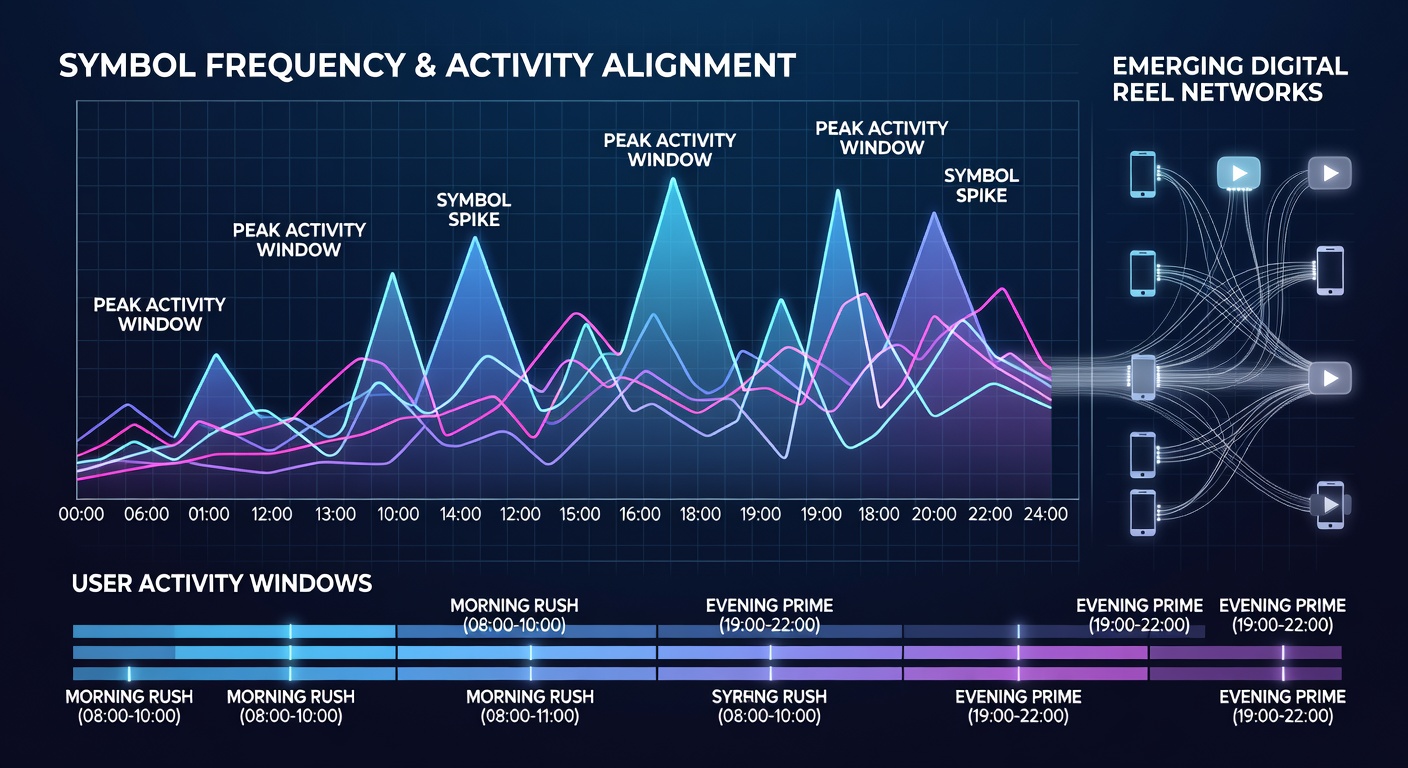
These patterns hold across both established and newer market entrants. Emerging networks in recently licensed Canadian provinces began submitting comparable data in early 2026 and already show evening clustering of high-payout symbols once session volumes exceed baseline thresholds. The consistency suggests the phenomenon stems from statistical properties rather than market-specific variables.
Regulatory Oversight and Technical Compliance
Each licensed jurisdiction requires independent testing of reel algorithms before deployment and periodic re-certification. Testing laboratories verify that symbol probabilities remain constant regardless of time of day. Yet aggregate player data still produces time-based alignments because player volume itself acts as the variable. Regulators receive anonymized logs that allow verification without exposing individual account details.
Technical standards in places such as the Isle of Man and several Australian states mandate that operators preserve raw outcome data for at least five years. This retention enables long-term analysis of frequency alignments. Researchers accessing these datasets through approved channels have confirmed that premium symbol rates stabilize within expected ranges once sample sizes reach several million spins per jurisdiction.
Implications for Network Design and Reporting
Platform developers incorporate time-stamped logging into their core systems to support regulatory submissions and internal optimization. These logs feed into dashboards that display symbol distributions overlaid on activity heatmaps. Network architects adjust server capacity and caching strategies around documented peak windows without altering the underlying reel mathematics.
Cross-border operators must reconcile differing reporting formats when compiling multi-jurisdictional summaries. The process reveals that alignment strength correlates more strongly with absolute session volume than with any single regulatory regime. Markets reaching critical mass of daily spins demonstrate clearer frequency clustering during their respective high-activity periods.
Conclusion
Symbol frequency alignments with peak user activity windows represent an observable outcome of large-scale data collection in regulated digital reel environments. Licensed jurisdictions maintain rigorous oversight that preserves the integrity of random number generators while permitting statistical analysis of aggregated results. Reports from bodies including the New Jersey Division of Gaming Enforcement and the Victorian Commission for Gambling and Liquor Regulation continue to document these patterns through 2026. The alignments arise from volume effects rather than mechanical changes and remain consistent across emerging and mature markets alike.