Sequence-Based Pathways to Higher Reward Tiers in Handheld Digital Casino Experiences
Drew Bauer · Jun 12, 2026
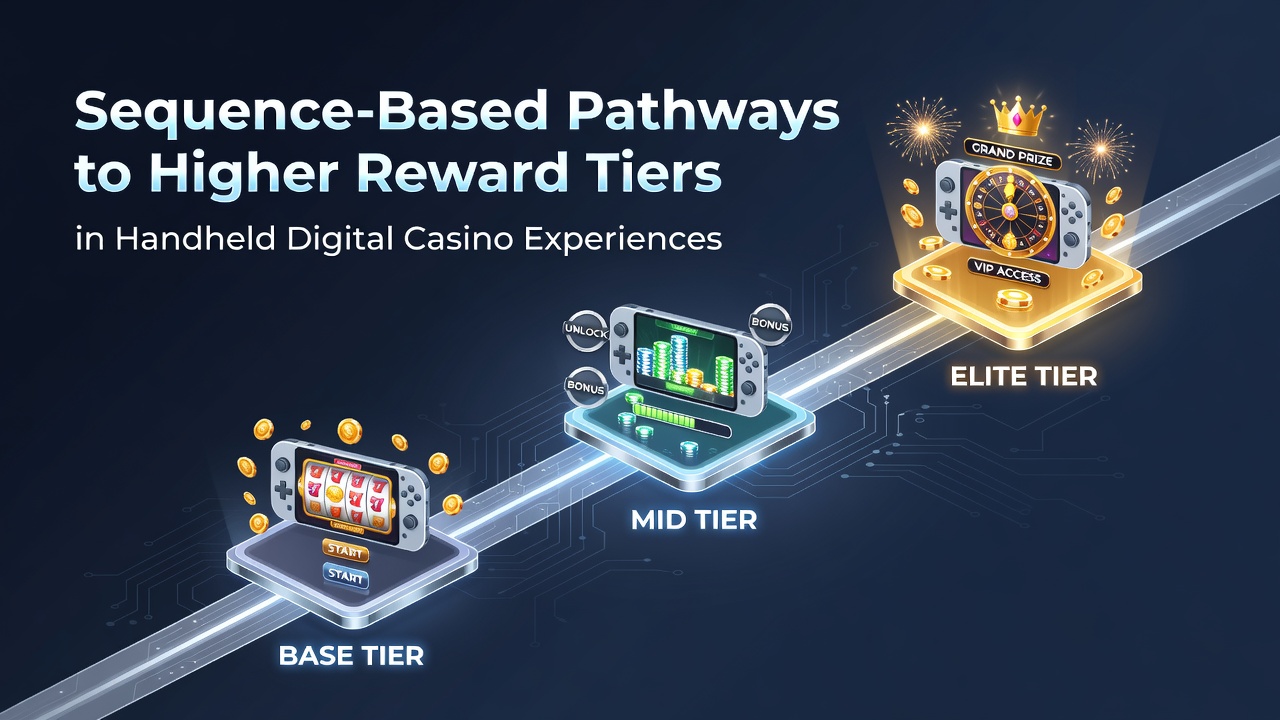
Sequence-Based Pathways to Higher Reward Tiers in Handheld Digital Casino Experiences
Handheld digital casino platforms organize player advancement through structured sequences of actions that unlock higher reward tiers, and these systems track patterns such as consecutive game sessions, specific bet combinations across titles, and cumulative activity logs that determine eligibility for elevated status levels. Developers integrate algorithms that recognize completed sequences like a series of deposits followed by targeted gameplay in reel or table environments, which then trigger automatic tier evaluations without requiring separate applications from users. Data from industry monitoring shows that these pathways operate on modular frameworks where each completed sequence contributes points toward thresholds that separate bronze, silver, gold, and platinum categories.
Mechanics of Sequence Recognition in Mobile Interfaces
Sequence recognition begins when a player initiates activity within the app and the system logs the order of events including login times, game selections, and wager amounts that form recognizable chains; once a chain meets predefined criteria the platform advances the account along the tier ladder. Platforms maintain backend databases that cross-reference these sequences against historical player data to prevent duplication while ensuring accurate progression tracking across multiple devices linked to the same profile. Research from academic institutions such as those affiliated with the University of Nevada indicates that sequence length and complexity correlate directly with reward velocity, where shorter sequences might unlock entry-level perks and extended chains grant access to premium features like exclusive tournaments or accelerated point multipliers.
Users encounter visual indicators within the handheld interface that display remaining steps in an active sequence, and these prompts update in real time as actions register in the system. Transitions between sequences occur seamlessly when one pathway completes and the next activates based on the player's current tier, which maintains engagement momentum without abrupt resets. Operators adjust sequence parameters periodically to align with regulatory updates, and as of June 2026 several jurisdictions have required enhanced transparency reporting on how these algorithmic pathways calculate eligibility to ensure compliance with fair play standards.
Integration with Broader Loyalty Frameworks
Loyalty frameworks incorporate sequence-based elements alongside traditional metrics like total handle and session duration, creating hybrid models that reward both volume and patterned behavior. For instance a pathway might require a player to complete three consecutive sessions in live dealer formats before advancing, and successful fulfillment adds tier points that compound with other activity logs. Industry organizations including the American Gaming Association have documented how such integrations improve retention rates across mobile segments because they provide clear milestones that feel attainable yet progressively challenging.
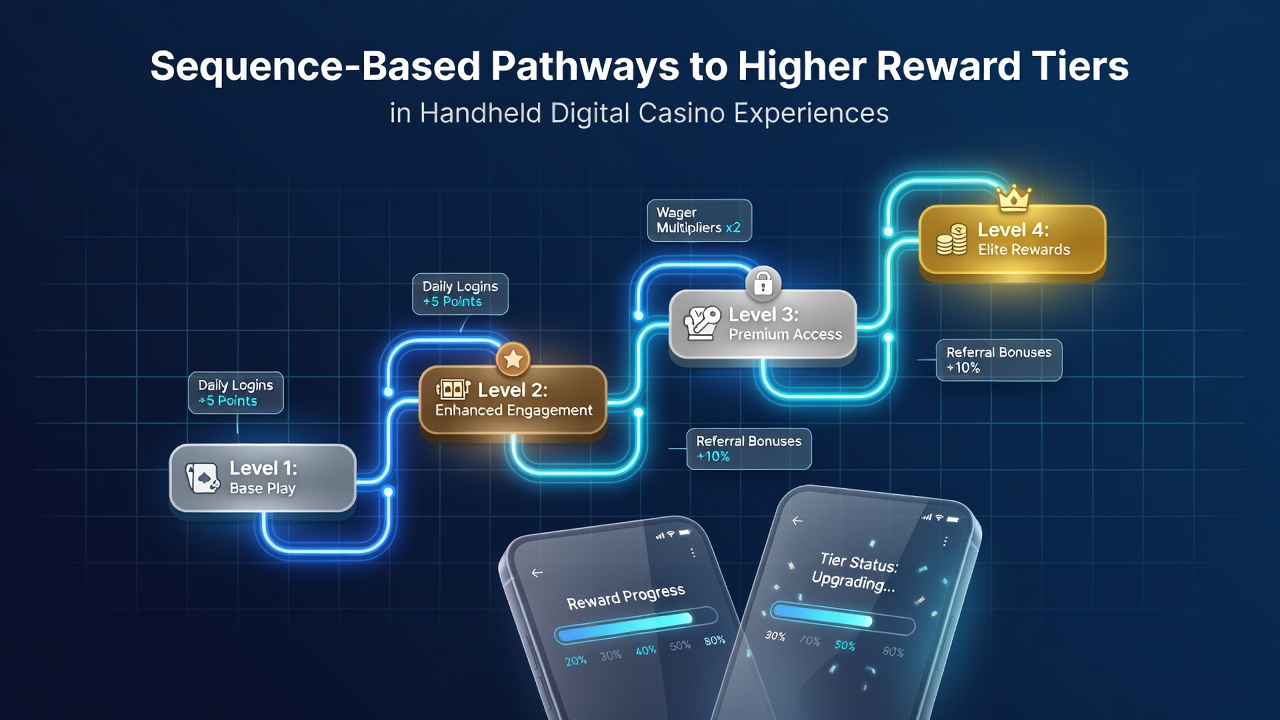
Geographic variations appear in how different markets implement these pathways, with operators in regulated North American and Asian regions adapting sequences to local preferences such as emphasizing sports-adjacent casino games in certain markets while prioritizing classic reel sequences elsewhere. Regulatory bodies like the Casino Regulatory Authority of Singapore oversee these adaptations to confirm that sequence requirements remain proportionate and do not inadvertently disadvantage specific player demographics. External audits verify that the underlying algorithms apply consistent rules across all accounts, which reduces discrepancies that could arise from device-specific data variations.
Data Patterns and Progression Analytics
Analytics platforms collect anonymized sequence data that reveals common pathways leading to higher tiers, and reports indicate that players who follow mixed-game sequences often reach advanced levels faster than those limited to single-title repetitions. These findings stem from aggregated logs that track millions of mobile sessions, allowing operators to refine sequence designs based on observed completion rates. What's interesting is how external factors such as time-of-day patterns influence sequence success, since evening windows frequently show higher fulfillment percentages according to aggregated telemetry from multiple licensed operators.
Developers employ machine learning models to predict which sequences will resonate with different user cohorts, and this predictive layer helps tailor available pathways without altering core reward structures. Studies from research groups in Australia have highlighted that transparent communication of sequence requirements correlates with increased trust in the overall loyalty system, as players receive notifications detailing exact steps needed for the next tier elevation. Such notifications integrate directly into the handheld experience through push mechanisms that link back to the active sequence tracker.
Conclusion
Sequence-based pathways continue to shape reward tier advancement in handheld digital casino environments by providing structured yet flexible routes that align player actions with operator objectives, and ongoing refinements ensure these systems remain responsive to both technological capabilities and regulatory expectations across global markets. Continued monitoring through established industry and academic channels will track how these mechanisms evolve in response to emerging platform features and jurisdictional requirements.