Regional Time Variations Impacting Engagement Levels in Portable Digital Table Game Environments Across International Boundaries
Zoe Lang · Jun 19, 2026
Regional Time Variations Impacting Engagement Levels in Portable Digital Table Game Environments Across International Boundaries
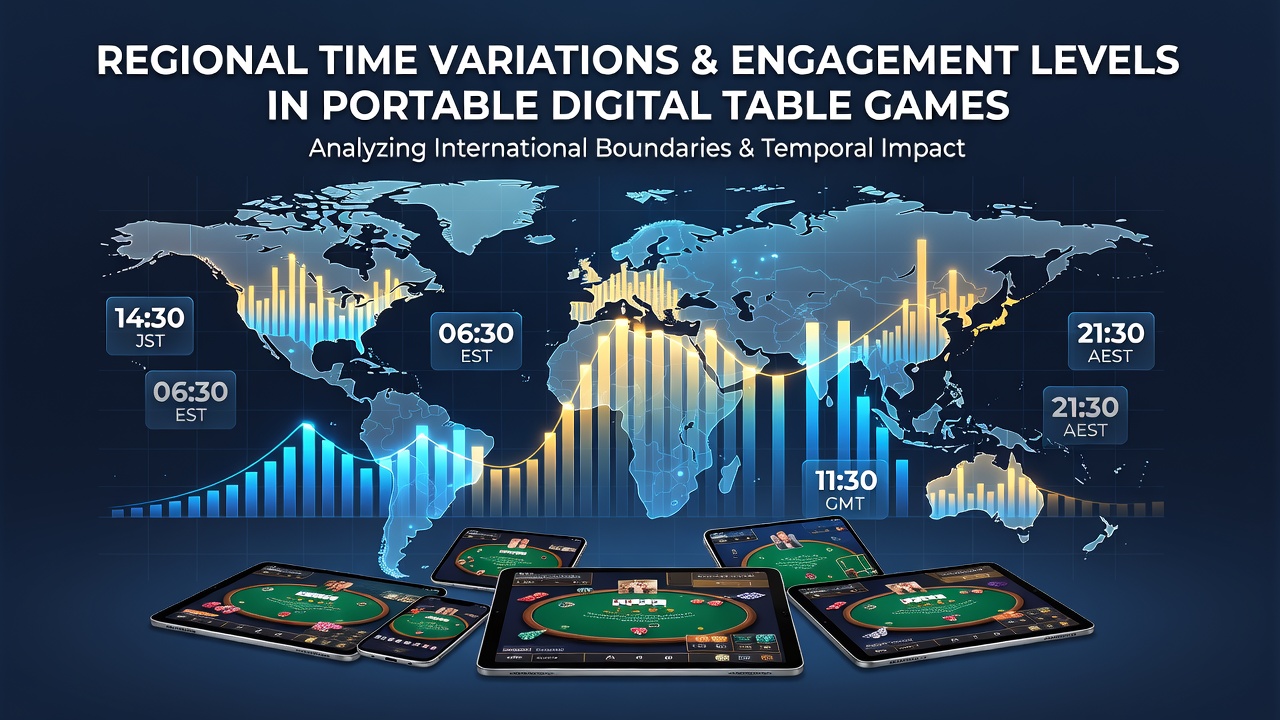
Portable digital table game environments operate continuously across multiple time zones, and engagement levels shift based on how regional clocks align with player availability in different countries. Data collected from major platforms shows that peak activity windows for live dealer blackjack and roulette sessions often cluster around local evening hours, yet cross-border participation creates overlapping surges when time differences allow simultaneous access from distant regions.
Mapping Time Zone Overlaps in Mobile Table Gaming
Players in Asia-Pacific regions frequently access European-hosted live dealer tables during their morning commutes, while North American users log in during late afternoon slots that coincide with Asian nighttime hours. Researchers tracking session data across licensed operators note that these overlaps generate measurable increases in concurrent users, with average session durations extending by 15 to 25 minutes when time alignments match leisure periods in multiple jurisdictions simultaneously. The Australian Institute of Family Studies has published reports documenting similar patterns in digital gambling participation, highlighting how daylight saving transitions further adjust these windows each year.
Engagement Metrics Across Continents
Figures from platform analytics reveal that table game engagement rises sharply when a region's post-work hours overlap with another continent's peak leisure window. For instance, users in Singapore and Tokyo show heightened activity between 8 PM and 11 PM local time, which aligns with early evening play periods for participants in Western Europe. This synchronization produces elevated wager volumes on wheel and card titles, particularly in VIP tiers where reward progression ties directly to sustained play across multiple sessions. Observers tracking these flows point out that June 2026 brought updated regulatory filings from several operators, confirming that time-adjusted marketing pushes increased retention rates by noticeable margins in cross-regional cohorts.
Live Dealer Timing and Player Behavior Patterns
Live dealer environments introduce additional variables because real-time human interaction depends on dealer shift schedules that often follow the host jurisdiction's standard business hours. When a platform based in Malta serves players in Australia, the dealer's afternoon shift coincides with the Australian morning, creating a natural bridge that sustains engagement without requiring extended staffing. Studies indicate that such configurations reduce drop-off rates during traditional low-activity periods, as participants discover consistent table availability regardless of their own local clock. Those who have examined app telemetry across borders report that portable device notifications timed to regional peaks generate higher click-throughs than generic global alerts.
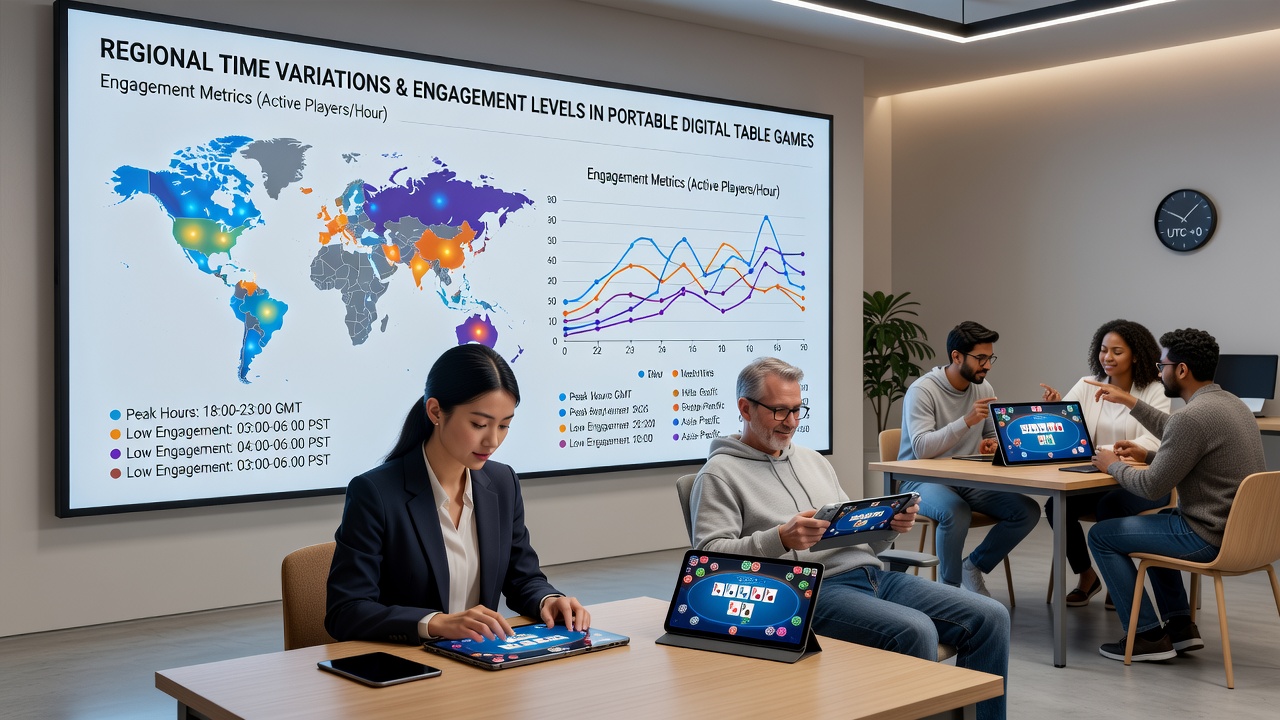
Yet the same data sets show that abrupt time shifts, such as those caused by international date line crossings or seasonal clock changes, temporarily disrupt established patterns until users recalibrate their routines. In one documented case from early 2025, a sudden policy adjustment in a major Asian market shifted local engagement curves, which then rippled through connected European and American player bases within 48 hours. Platform operators responded by adjusting bonus unlock windows to realign with the new regional rhythms.
Regulatory and Infrastructure Considerations
Regulatory bodies in different regions impose varying requirements around responsible gaming tools, including session reminders that reference local time rather than server time. The Malta Gaming Authority has implemented guidelines encouraging operators to display time-of-day information in the player's native zone, which helps maintain awareness during extended cross-border sessions. Similar approaches appear in Canadian provincial frameworks, where self-exclusion systems now incorporate time-zone-aware logging to track cumulative play across devices. These measures influence how engagement metrics are calculated and reported, because raw activity numbers must account for when users actually interact rather than when servers record the data.
Network latency tied to geographic distance also plays a role, though modern content delivery networks have narrowed gaps for most users. Still, players located farther from primary server clusters sometimes experience slight delays during high-traffic overlap periods, which can affect decision speed in fast-paced table games. Industry reports compiled by the European Gaming and Betting Association document these technical factors alongside behavioral data, showing modest but consistent differences in average bet frequency based on connection stability across borders.
Future Developments in Global Table Gaming Access
Emerging 5G expansions and improved satellite coverage continue to reduce barriers for users in previously underserved time zones. Analysts project that by late 2026, additional markets will come online with localized payment rails and language support, further diversifying the temporal distribution of engagement. Operators preparing for these expansions have begun modeling engagement forecasts that factor in both established time zone clusters and newly accessible regions, allowing more precise staffing for live dealer shifts and targeted promotional timing.
Conclusion
Regional time variations shape engagement in portable digital table game environments through overlapping leisure windows, regulatory adaptations, and technical infrastructure. Continued monitoring of these patterns provides operators and regulators with clearer pictures of how global audiences interact with live dealer content across boundaries, supporting more responsive platform design and player protection measures in the years ahead.