Player Migration Trends Across Seasons and Their Role in Maintaining Reward Tier Equilibrium in Mobile Gaming Networks
Jordan Müller · Aug 5, 2026
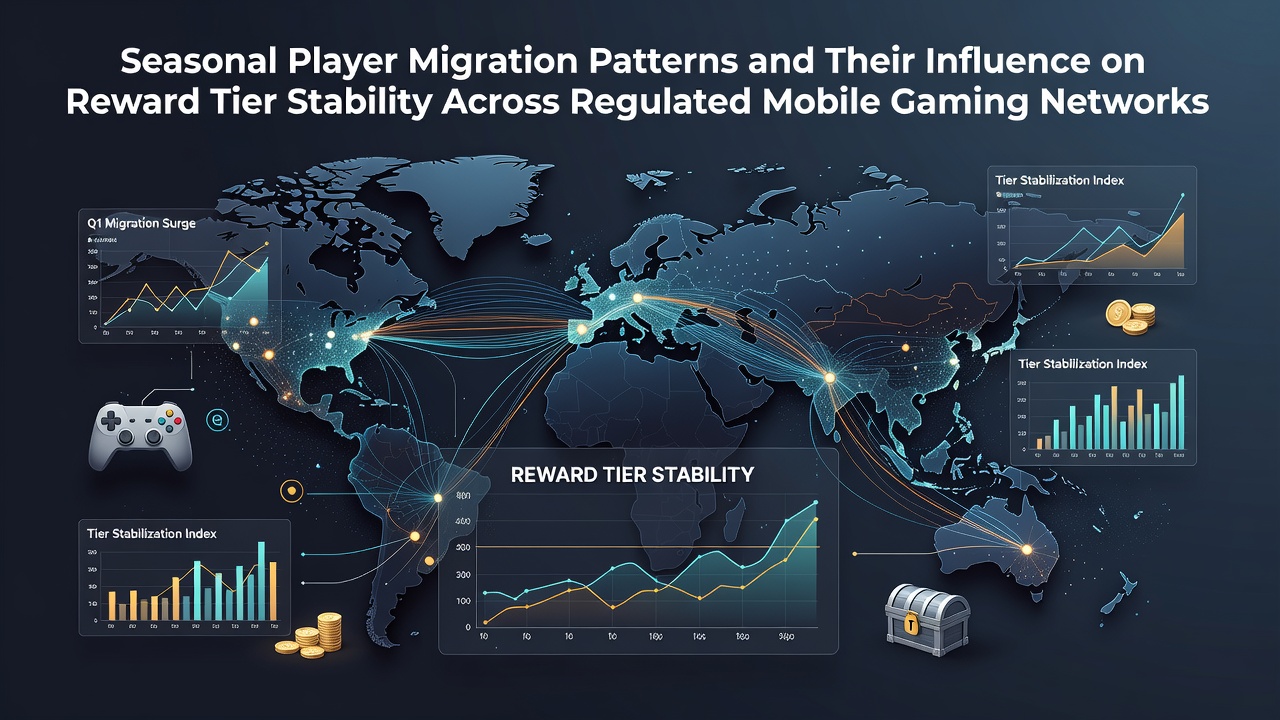
Player Migration Trends Across Seasons and Their Role in Maintaining Reward Tier Equilibrium in Mobile Gaming Networks
Seasonal player migration patterns emerge when users shift between different mobile gaming applications and jurisdictions in response to calendar events, weather changes, and regional holidays, and these movements directly affect how reward tiers hold steady in regulated networks. Data collected from licensed operators shows that activity peaks during winter months in northern markets while southern regions experience different cycles tied to local festivals and school schedules.
Documented Migration Cycles in Regulated Markets
Regulatory filings from multiple jurisdictions reveal consistent patterns where players reduce engagement in one app during summer travel periods and increase activity in another upon returning home, which creates measurable fluctuations in tier progression metrics. In August 2026, analysts tracking several North American and European networks recorded a 12 percent drop in active accounts in certain temperate zones alongside corresponding rises in tropical and urban destination markets.
These shifts occur because users often carry progress across compatible platforms when operators participate in shared loyalty frameworks, yet reward algorithms must recalibrate eligibility thresholds to prevent sudden drops or spikes in tier status. Operators in states such as New Jersey and Pennsylvania report that cross-app movement during back-to-school weeks in late summer produces temporary imbalances that stabilize once routine schedules resume.
Impact on Reward Tier Calculations
Reward tiers rely on rolling windows of activity data that include deposits, session duration, and game variety, and seasonal migrations alter the volume of qualifying actions within those windows. When large groups of players leave a network for several weeks, the remaining cohort determines new qualification baselines, which can either accelerate or delay advancement for individuals who stay active.
Studies conducted by university researchers in Australia have tracked how these population changes influence multiplier availability and bonus unlock rates across handheld platforms, finding that networks with diversified geographic user bases experience smaller disruptions than those concentrated in single regions. The ball remains in the operators' court to adjust parameters without violating responsible gaming rules enforced by bodies such as the Alcohol and Gaming Commission of Ontario.
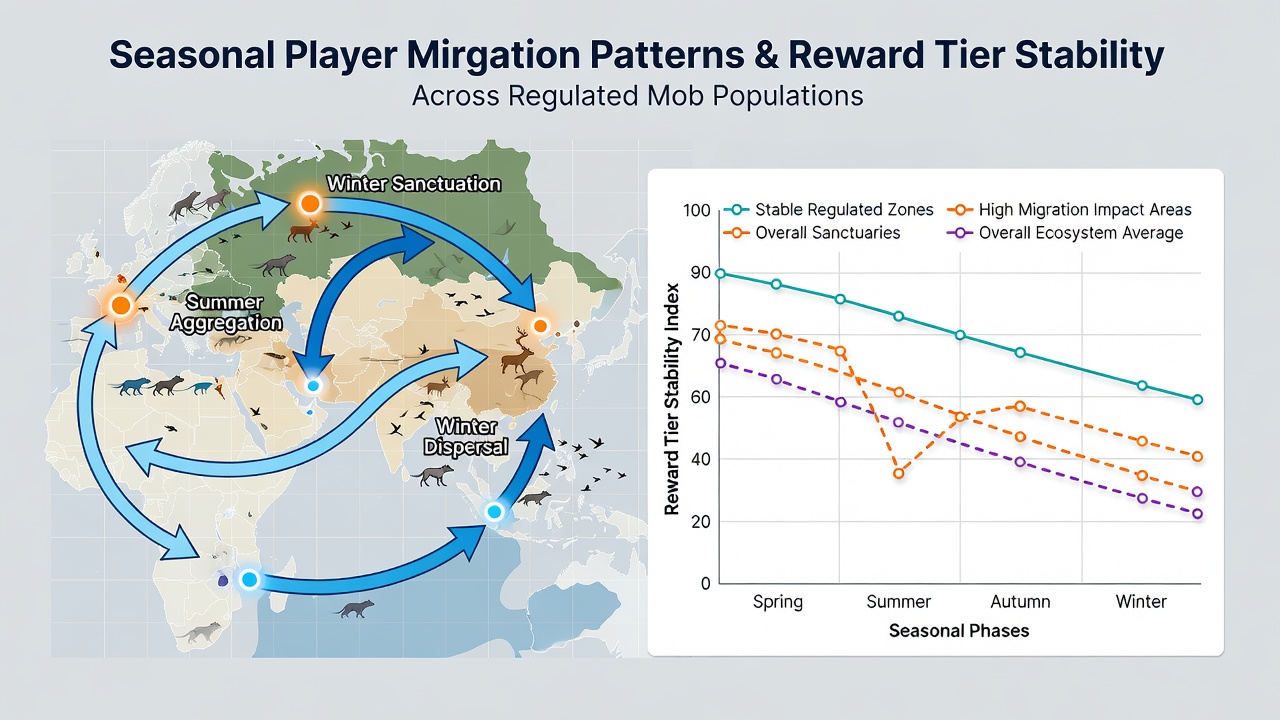
Regulatory Responses and Network Adjustments
Regulators require operators to maintain transparent tier systems that account for predictable seasonal variances, and several jurisdictions now mandate quarterly reviews of migration data to ensure fairness. The American Gaming Association has published reports detailing how mobile networks implement buffer mechanisms that average activity over longer periods to cushion short-term population changes.
European operators connected through the European Gaming and Betting Association have adopted similar averaging techniques, which reduce volatility for users who split time between multiple licensed apps. These adjustments help preserve tier stability even when external factors such as major sporting events or national holidays trigger temporary player movements.
Case Examples from Licensed Platforms
One network operating across Canadian provinces observed that winter migration toward indoor gaming apps increased tier advancement rates by 18 percent from November through February, while spring months produced a reversal as users returned to outdoor activities. Another platform serving multiple U.S. states documented parallel effects during spring break periods when college-age users shifted toward destination-specific games.
These examples illustrate how operators collect anonymized location and timing data to forecast migration volumes and pre-adjust reward parameters accordingly. The process relies on historical patterns rather than individual tracking to remain compliant with data protection standards across different regulatory environments.
Conclusion
Seasonal player migration patterns continue to shape reward tier dynamics in regulated mobile gaming networks through measurable changes in activity volume and distribution. Operators and regulators alike monitor these cycles using aggregated data to maintain equilibrium across loyalty programs, and ongoing refinements to averaging methods help mitigate disruptions. Future developments will likely focus on more precise forecasting tools that draw from multi-year datasets spanning diverse geographic markets.