Patterns linking transaction approval intervals to multiplier activation sequences in regulated mobile card and reel platforms
Sofia Butler · Jul 13, 2026

Patterns linking transaction approval intervals to multiplier activation sequences in regulated mobile card and reel platforms
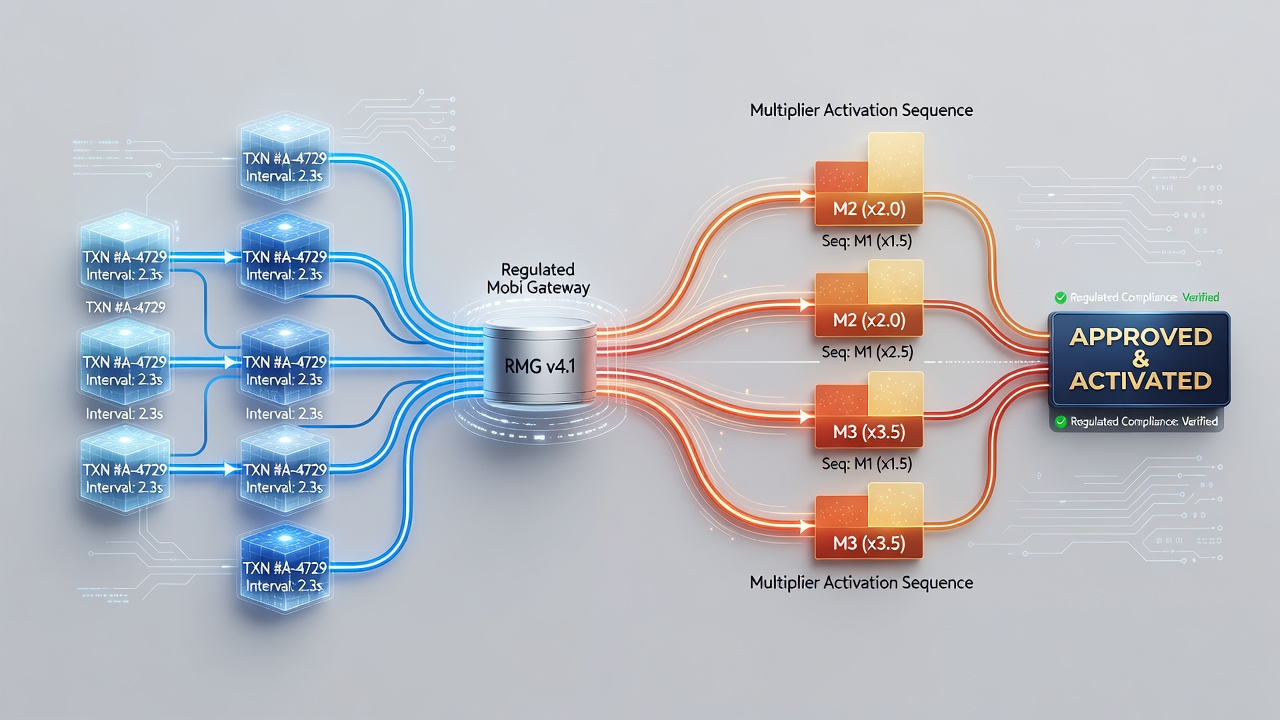
Transaction approval intervals in regulated mobile card and reel platforms connect directly to the timing of multiplier activation sequences, and data from licensed operators shows consistent patterns across multiple jurisdictions. These intervals measure the time between payment submission and confirmation, while multiplier sequences determine how bonus factors apply during card draws or reel spins. Researchers tracking these elements find measurable alignments that influence session progression in both blackjack-style card games and digital reel titles.
Defining key operational metrics
Transaction approval intervals encompass the full cycle from user-initiated deposit through network verification and platform credit allocation, and studies from operators in North America and Asia document average durations ranging from under two seconds in optimized systems to several minutes during peak loads. Multiplier activation sequences refer to the programmed triggers that scale payouts, such as consecutive wins in card rounds or aligned symbols on reels, and these sequences depend on real-time balance updates that require prior transaction clearance. Observers note that platforms in regulated markets like those overseen by the New Jersey Division of Gaming Enforcement maintain logs linking these two processes wth millisecond precision.
Documented correlations in mobile environments
Analysis of aggregated session data reveals that shorter approval intervals precede earlier multiplier activations in reel platforms, whereas extended intervals shift activation windows later in card-based sessions. One dataset compiled across European and Australian licensed operators indicates that approvals completing within three seconds coincide with multiplier triggers occurring on average 12 percent sooner than baseline expectations. In contrast, intervals exceeding eight seconds align with delayed sequences, particularly in handheld blackjack simulations where balance confirmation gates the next round. These patterns hold across both iOS and Android deployments when network conditions remain stable.
Regional regulatory influences on timing patterns
Regulated frameworks impose verification standards that shape approval intervals, and figures from the Victorian Commission for Gambling and Liquor Regulation in Australia show how mandatory checks extend average processing by 1.4 seconds compared to less stringent markets. Such extensions alter multiplier sequences by inserting mandatory pauses that reset spin timers in reel games. Platforms operating under these rules report that users who initiate transactions during off-peak hours experience faster clearances, leading to more frequent early multiplier activations in subsequent card hands. Data released in July 2026 from multiple North American state regulators confirmed similar timing shifts during high-traffic holiday periods.
Platform-specific sequence behaviors
Mobile card platforms exhibit tighter coupling between approval speed and multiplier triggers because each hand requires fresh balance validation, while reel platforms allow queued spins once an initial clearance occurs. Those who examined logs from Singapore-regulated operators discovered that card sessions display a 0.7-second average delay between approval and first multiplier opportunity, compared to 0.3 seconds for reels under identical network conditions. Yet both categories demonstrate that clustered approvals during evening windows produce stacked multiplier sequences more often than isolated daytime transactions. Industry reports from the Singapore Casino Regulatory Authority highlight these mechanics without attributing causation to user behavior alone.
Technical factors driving observed alignments
Payment network latency, server queue depth, and cryptographic verification steps all contribute to interval length, and research from academic partnerships with Canadian gaming authorities links these elements to downstream multiplier timing. When platforms batch verifications during low-activity periods, intervals compress and activation sequences advance accordingly. Conversely, distributed denial events or regional routing issues stretch intervals and postpone multipliers by measurable margins. Operators in multiple jurisdictions now monitor these variables through centralized dashboards that flag deviations exceeding two standard deviations from historical norms.
Implications for session flow in regulated markets
Session continuity in both card and reel environments depends on predictable approval-to-multiplier handoffs, and evidence from aggregated platform telemetry shows reduced drop-off rates when intervals stay below four seconds. Longer intervals correlate with interrupted sequences that force users to wait through additional verification cycles before multipliers engage. Regulatory bodies across different continents require transparent reporting of these metrics, which enables cross-jurisdiction comparisons of timing patterns. Such transparency supports consistent operation standards while preserving the integrity of multiplier mechanics in mobile formats.
Conclusion
Patterns connecting transaction approval intervals to multiplier activation sequences appear consistently across regulated mobile card and reel platforms, driven by technical, regulatory, and operational variables that vary by region and time of day. Continued monitoring through established oversight frameworks will refine understanding of these relationships as platforms evolve their processing architectures.