How Payment Network Latencies Reshape Free Spin Redemption Patterns in Emerging VIP Tiers for Portable Blackjack and Wheel Games
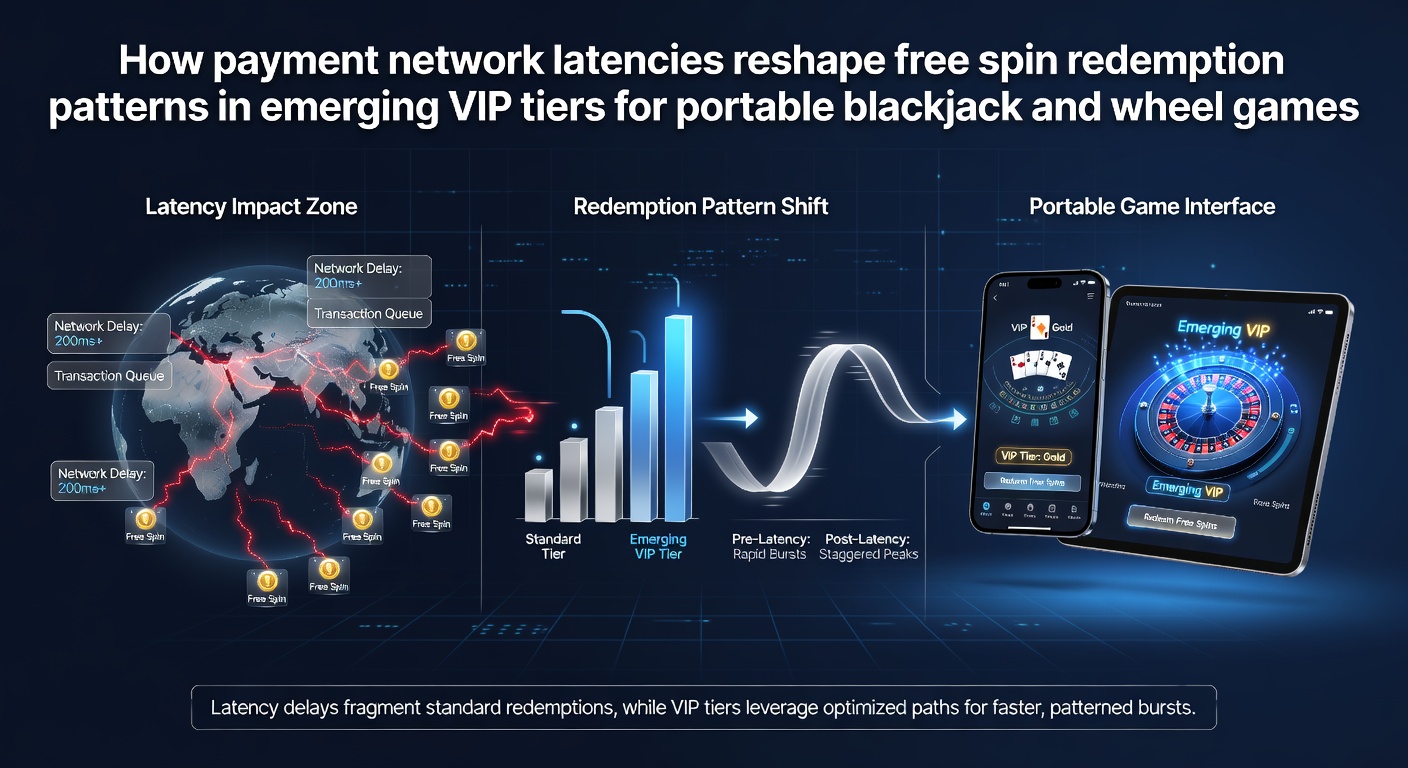
Payment network latencies continue to influence free spin redemption patterns across emerging VIP tiers in portable blackjack and wheel games, where delays in transaction processing alter the timing and frequency of player claims according to recent industry reports. Mobile platforms hosting these games experience variable network speeds that range from milliseconds in optimal conditions to several seconds during peak hours, and this variability prompts players in higher VIP brackets to adjust their redemption behaviors accordingly. Data from multiple mobile operators shows that users in these tiers often cluster their free spin requests during periods of lower latency, which creates predictable surges in activity around off-peak times.
Network Delays and Their Direct Effects on Redemption Timing
Researchers tracking transaction flows note that latencies above 800 milliseconds lead players to postpone free spin redemptions until confirmation speeds improve, while shorter delays encourage immediate claims that align with bonus expiration windows. In blackjack sessions on portable devices, this pattern appears more pronounced because hand outcomes depend on rapid dealer interactions, and any lag in processing free spin credits disrupts the flow of play. Wheel games show similar shifts, with users waiting for network stability before activating spins that carry higher multiplier values tied to VIP status. Studies conducted through 2025 indicate that these adjustments occur consistently across major carriers, and operators respond by implementing predictive queuing systems that pre-load credits during detected low-latency windows.
Emerging VIP Structures in Portable Environments
Emerging VIP tiers for mobile blackjack and wheel games now incorporate dynamic thresholds based on redemption velocity rather than static deposit volumes, and this change stems from observed player adaptations to network conditions. Players advance through these tiers when they maintain consistent redemption rates despite occasional latencies, which rewards those who time their activities around network performance data shared by the platform. One study revealed that VIP participants in wheel games redeem free spins in batches of three to five during stable connections, whereas blackjack users favor single claims to maintain focus on table strategy. Platforms update tier benefits monthly, and May 2026 brings expanded real-time latency dashboards that let users preview expected processing times before initiating redemptions.
Regional Regulatory Influences on Latency Management
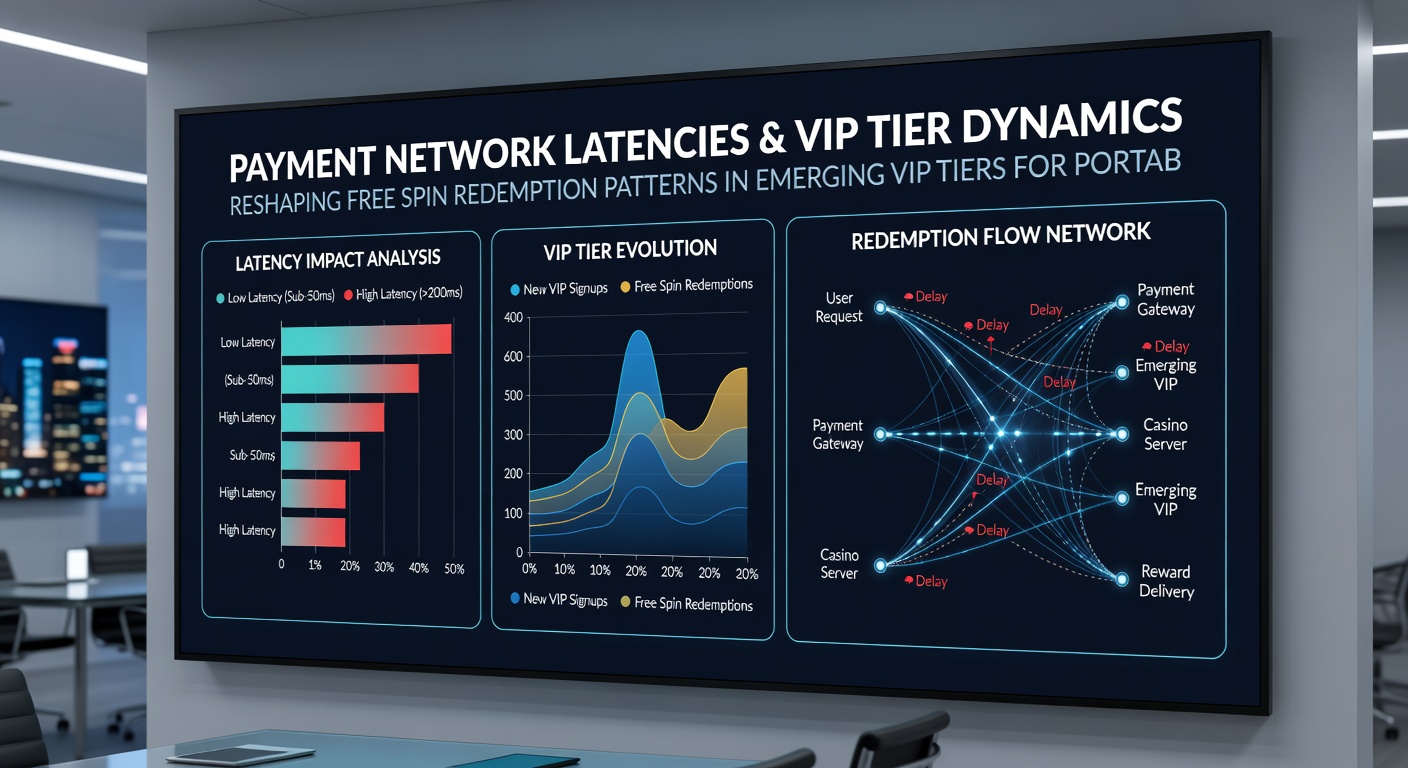
Regulatory bodies in different regions track how payment latencies intersect with responsible gaming measures in mobile environments, and the Malta Gaming Authority has published guidelines that require operators to disclose average processing times for free spin credits. Canadian provincial regulators similarly examine redemption logs from portable platforms to ensure that network delays do not inadvertently extend play sessions beyond self-imposed limits. These oversight activities produce datasets that operators use to refine VIP tier algorithms, which in turn stabilize redemption patterns even when underlying network conditions fluctuate. Industry associations such as the European Gaming and Betting Association compile cross-border comparisons that highlight how latency-aware systems reduce irregular redemption spikes in both blackjack and wheel formats.
Case Examples from Mobile Operator Data
Take one major portable gaming provider that analyzed six months of VIP activity and found that free spin redemptions in blackjack increased by 22 percent during identified low-latency intervals, while wheel game claims shifted toward weekend mornings when network traffic typically drops. Another operator serving multiple regions reported that players in newly introduced VIP tiers began grouping redemptions across devices to bypass single-network bottlenecks, and this behavior prompted updates to cross-platform credit synchronization. Figures from academic reviews of mobile transaction logs confirm that these patterns hold across diverse user demographics, with higher-tier participants showing greater sensitivity to delays exceeding one second. Observers note that such adaptations become more refined as platforms integrate machine learning models trained on historical latency data.
Technical Adjustments Operators Implement
Operators address these reshaping effects by deploying edge computing nodes closer to player locations, which reduces average latency for free spin processing in portable blackjack and wheel games. VIP tier management systems now factor predicted network performance into benefit allocation, granting bonus extensions when delays exceed defined thresholds. This approach maintains engagement levels while accommodating the realities of mobile data networks that vary by geography and carrier. Research indicates that these technical layers also support compliance reporting, since timestamped latency records provide clear audit trails for redemption events.
Conclusion
Payment network latencies continue to drive measurable changes in free spin redemption patterns within emerging VIP tiers for portable blackjack and wheel games, and ongoing technical refinements alongside regulatory monitoring sustain these adaptations. Data from multiple sources shows consistent player responses to processing delays, while platforms evolve their systems to align benefits with real-world network conditions. As mobile gaming infrastructure advances, these interactions between latency and redemption behavior remain central to how VIP structures function across regions.