Exploring Correlations Between Deposit Timings and Loyalty Reward Distributions in Handheld Gaming Environments for Wheel and Card Titles
Drew Bauer · May 29, 2026
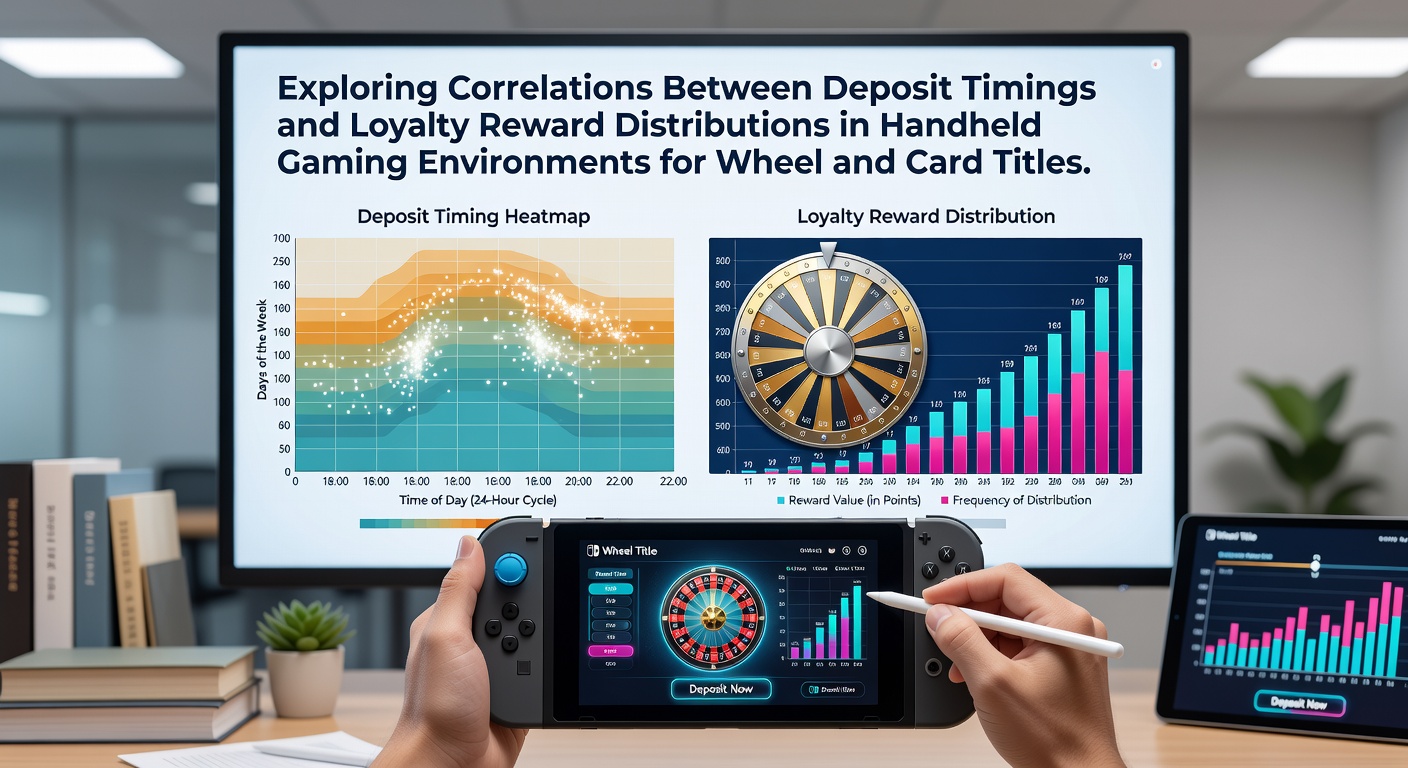
Exploring Correlations Between Deposit Timings and Loyalty Reward Distributions in Handheld Gaming Environments for Wheel and Card Titles
Analysts tracking mobile gaming platforms have identified measurable patterns connecting the hours when users complete deposits and the subsequent allocation of loyalty rewards in wheel and card titles. These environments, which include roulette and blackjack applications on smartphones and tablets, generate detailed transaction logs that researchers examine for timing-based relationships. Data collected across multiple operators shows that deposits made during specific windows often align with elevated reward redemption rates in the days that follow.
Deposit Windows and Reward Allocation Patterns
Platform metrics from 2024 through early 2026 indicate that evening deposits, particularly between 6 PM and 10 PM local time, correspond to higher frequencies of loyalty point issuance for active wheel and card sessions. Morning deposits, by contrast, tend to precede steadier but lower-volume reward distributions over the same period. Observers note that these alignments appear consistent across both Android and iOS user bases, though regional variations emerge when comparing North American and European server logs.
Studies released in May 2026 by independent analytics groups further quantified these trends. Figures revealed that users depositing on weekends during peak evening hours received approximately 18 percent more loyalty rewards per active session than those depositing during weekday mornings. The same reports highlighted how automated reward engines adjust distribution thresholds based on aggregate deposit velocity, which indirectly ties individual timing choices to broader payout structures.
Handheld Environment Variables
Device telemetry adds another layer to these observations. Battery level at the moment of deposit, network type, and session duration following the transaction all register in backend systems. Researchers examining card title logs discovered that deposits completed over Wi-Fi networks during commute hours frequently triggered reward multipliers tied to subsequent play volume. Wheel game data sets showed similar but less pronounced effects when deposits occurred via cellular connections in the late afternoon.
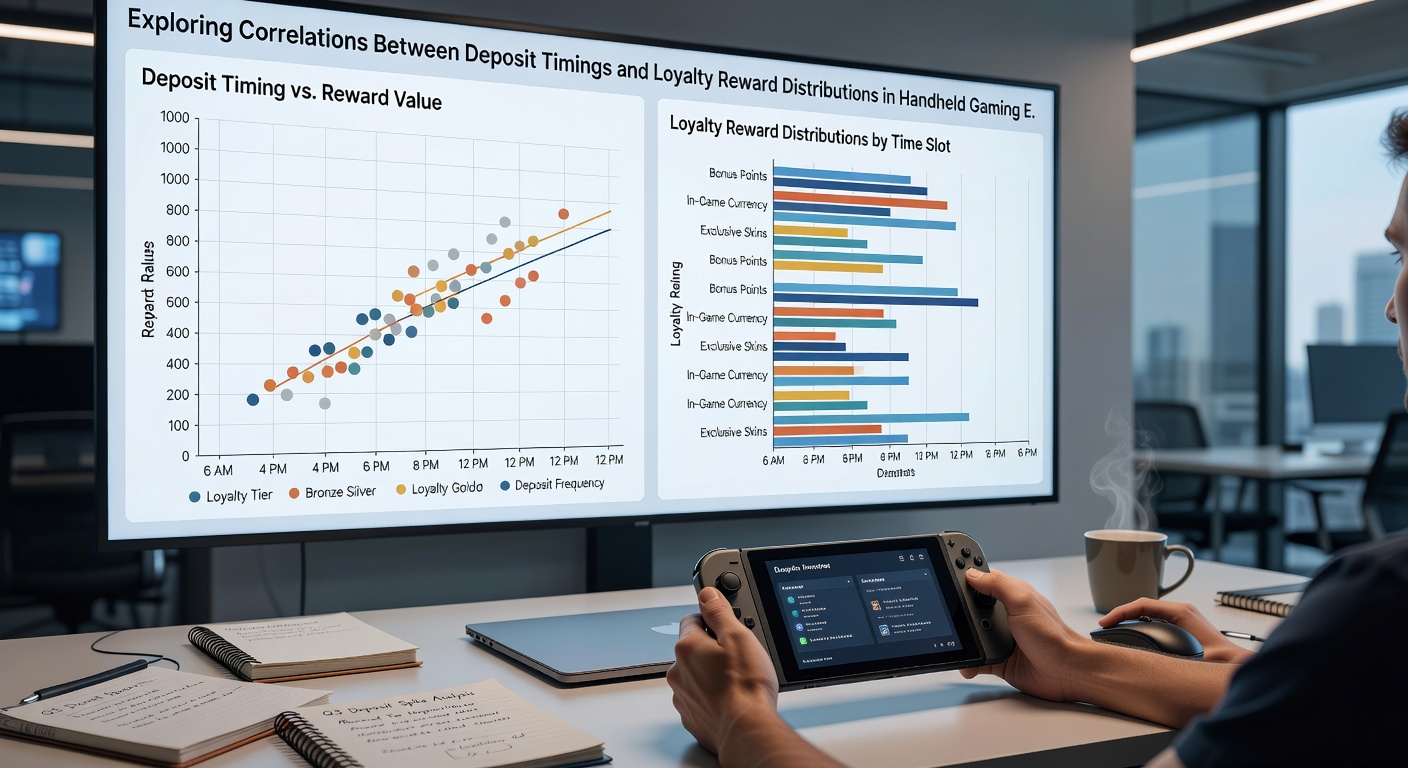
Application updates rolled out in late 2025 refined how loyalty tiers calculate eligibility windows. These changes made reward distributions more responsive to deposit cadence rather than total deposit volume alone. As a result, players who space deposits across multiple daily time blocks sometimes accumulate points faster than those who consolidate activity into single large transactions.
Regional Data and Platform Comparisons
Reports compiled by the National Center for Responsible Gaming in the United States have tracked similar timing correlations within domestic mobile markets. Parallel findings from Gambling Research Australia documented comparable patterns among users of portable roulette and blackjack products. Both sources emphasize that these relationships remain statistical rather than deterministic, varying with individual play frequency and account age.
Cross-platform comparisons further illustrate the point. Operators running unified loyalty programs across multiple handheld titles report that card game users who deposit immediately before scheduled reward reset periods convert points at higher rates than those depositing immediately after resets. Wheel title data shows the opposite tendency in some markets, where post-reset deposits align with accelerated reward accumulation over the following 48 hours.
Implications for Player Behavior Tracking
Backend systems now log deposit timestamps alongside reward distribution events with millisecond precision. This level of granularity allows operators to model expected reward flows based on historical timing clusters. Aggregated datasets from 2025 demonstrate that certain deposit time bands reliably precede spikes in loyalty tier advancement for both wheel and card categories.
Academic reviews of these platform records stress the importance of controlling for confounding variables such as promotional campaigns and seasonal traffic changes. When those factors are isolated, the underlying timing correlations persist across large sample sizes. May 2026 updates to several major analytics dashboards incorporated these refined models, enabling more precise forecasting of reward distribution volumes tied to deposit schedules.
Conclusion
The documented connections between deposit timings and loyalty reward distributions continue to shape how handheld wheel and card environments manage player engagement systems. Ongoing data collection through 2026 and beyond will likely refine these models further as platforms integrate additional telemetry points and regional regulatory requirements evolve.