Examining Activity Peaks and Their Influence on Reward Systems in Mobile Blackjack Platforms
Jordan Müller · Aug 19, 2026
Examining Activity Peaks and Their Influence on Reward Systems in Mobile Blackjack Platforms
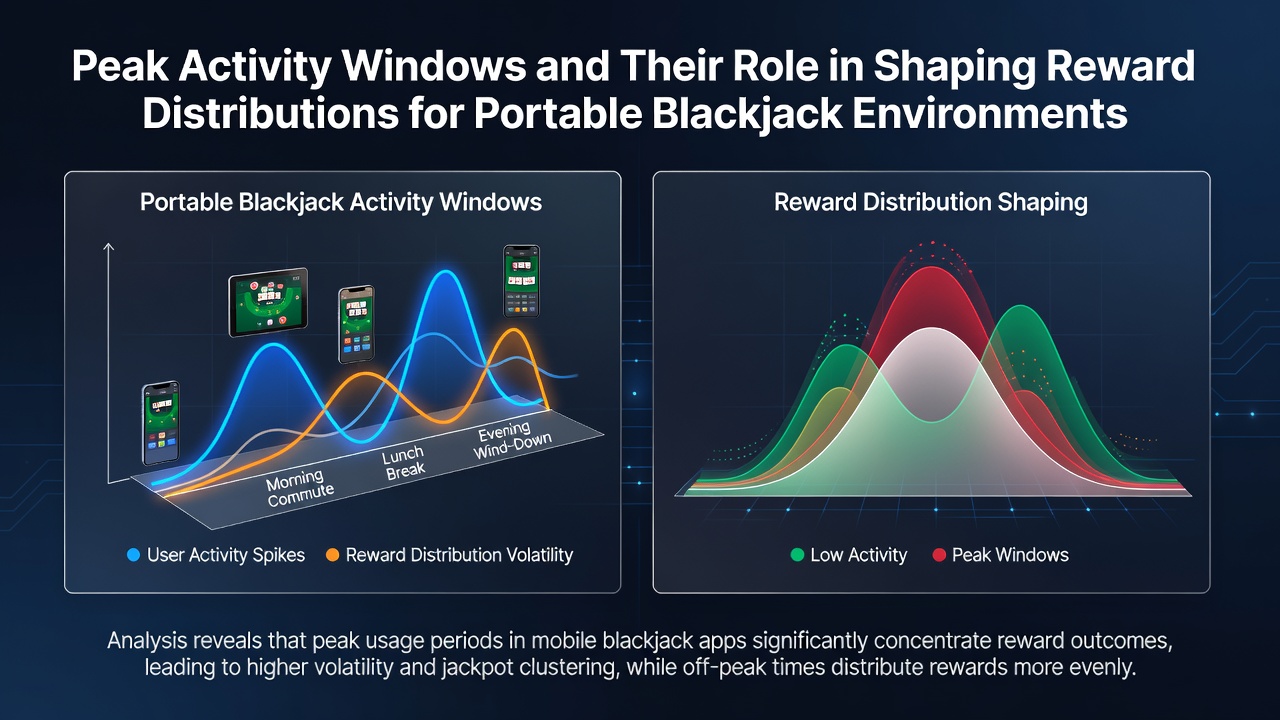
Portable blackjack environments operate on schedules that follow clear patterns of user engagement, and operators adjust reward distributions to match those rhythms. Data from multiple markets shows elevated activity during evening hours in major time zones, with secondary spikes during lunch periods and weekend afternoons. These windows shape how loyalty points, bonus credits, and multiplier offers reach players because platforms allocate resources where participation levels justify the spend.
Defining Peak Windows Through Usage Metrics
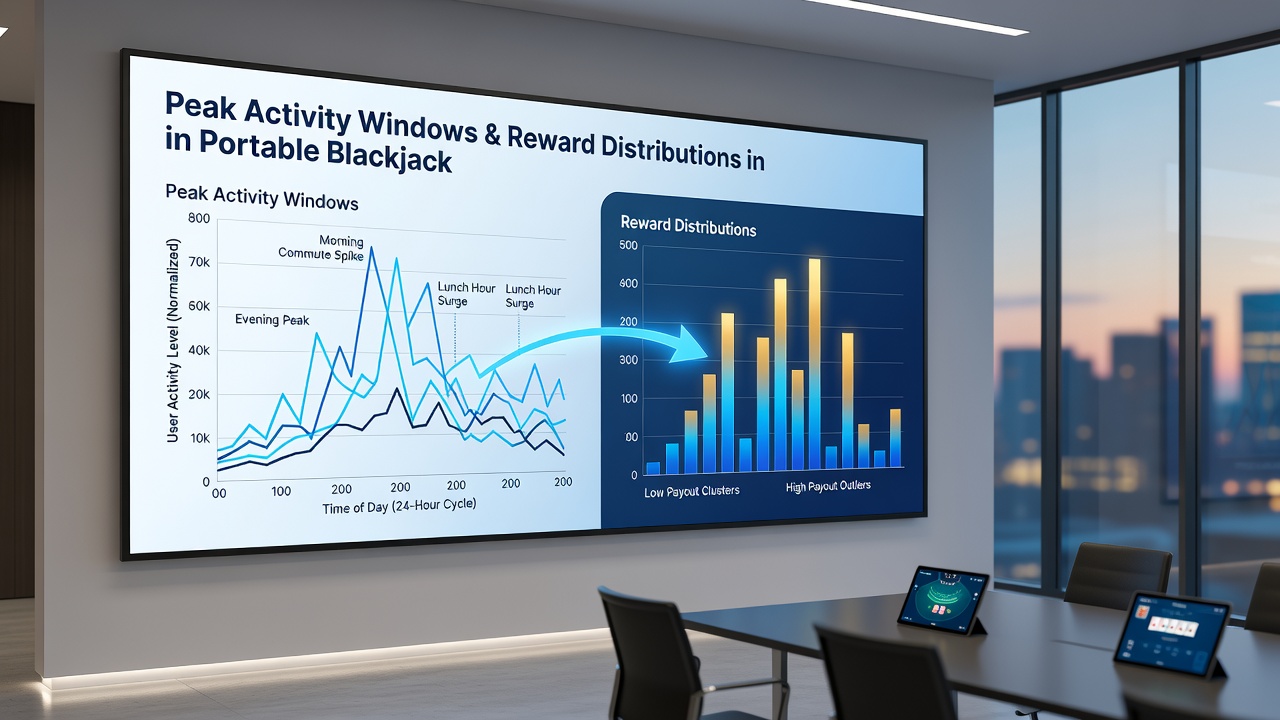
Researchers tracking app telemetry across licensed operators find that sessions cluster between 7 PM and 11 PM local time on weekdays, while Friday and Saturday nights extend the high-volume period past midnight. Weekday mornings produce lower but consistent engagement from 11 AM to 1 PM. Studies conducted in 2025 across North American and European markets indicate that these intervals account for roughly 65 percent of total hands played in any given month. Platforms therefore time reward drops, such as free chip offers or cashback tiers, to coincide with these surges so that more players encounter and redeem them before the next cycle begins.
Reward Allocation Patterns Tied to Engagement Data
Operators segment reward pools according to historical volume rather than uniform schedules. During identified peaks the system releases smaller, frequent incentives that encourage continued play, whereas off-peak periods receive larger but less frequent offers meant to draw users back into the app. Figures released by the Nevada Gaming Control Board show that mobile blackjack revenue in the first half of 2025 followed this distribution model, with peak-window promotions correlating to a 22 percent lift in average session length. The same reports note that off-peak rewards produced higher redemption rates yet shorter overall play times, confirming that timing influences both uptake and duration.
One study from the Australian Gambling Research Centre examined similar patterns in handheld card games and found that reward density during peak windows reduced churn by nearly 15 percent compared with flat distribution models. The research tracked player cohorts over six months and documented how loyalty tier progressions accelerated when bonuses aligned with existing activity peaks rather than random intervals.
Regional Variations and August 2026 Projections
Time zone differences create staggered peaks across global player bases, and operators serving multiple jurisdictions adjust accordingly. In markets where summer daylight extends evening play, activity windows shift later by 30 to 60 minutes. Projections for August 2026 from industry modeling groups anticipate further compression of these windows in regions experiencing heat waves, as indoor mobile sessions replace outdoor activities. Platforms already test dynamic reward engines that monitor real-time traffic and release additional multipliers when engagement exceeds baseline thresholds by 10 percent or more.
Payment latency data also interacts with these windows. Slower processing during high-traffic periods can delay reward visibility, prompting some operators to pre-load offers so they appear instantly when players log in. Reports from the Malta Gaming Authority highlight that synchronized reward timing during peaks improved player retention metrics by measurable margins in 2025 trials.
Behavioral Responses and Platform Adjustments
Players respond to reward timing by extending sessions or returning at predicted hours. Observers note that users who receive a bonus during an established peak window tend to complete more hands before logging off compared with those who claim the same value outside peak periods. Developers respond by refining algorithms that predict individual activity rhythms and surface personalized offers minutes before expected log-in times. This approach relies on aggregated session data rather than individual tracking, preserving privacy standards while still sharpening distribution efficiency.
Case examples from operators in regulated Canadian provinces demonstrate that shifting a portion of the monthly reward budget into peak-aligned offers produced steadier daily active user counts without increasing total spend. The adjustments required only minor changes to existing loyalty engines yet yielded consistent improvements in engagement curves.
Conclusion
Peak activity windows serve as the primary framework for reward distribution strategies in portable blackjack environments. Data collected across multiple regulatory markets confirms that aligning incentives with established engagement periods produces measurable differences in session length, redemption rates, and retention. As platforms refine predictive models ahead of 2026, these timing mechanisms will continue to guide how rewards reach players in handheld card environments.