Cross-Border Wireless Notification Patterns and Their Role in Reel and Wheel Multiplier Events
Drew Bauer · Jul 22, 2026
Cross-Border Wireless Notification Patterns and Their Role in Reel and Wheel Multiplier Events
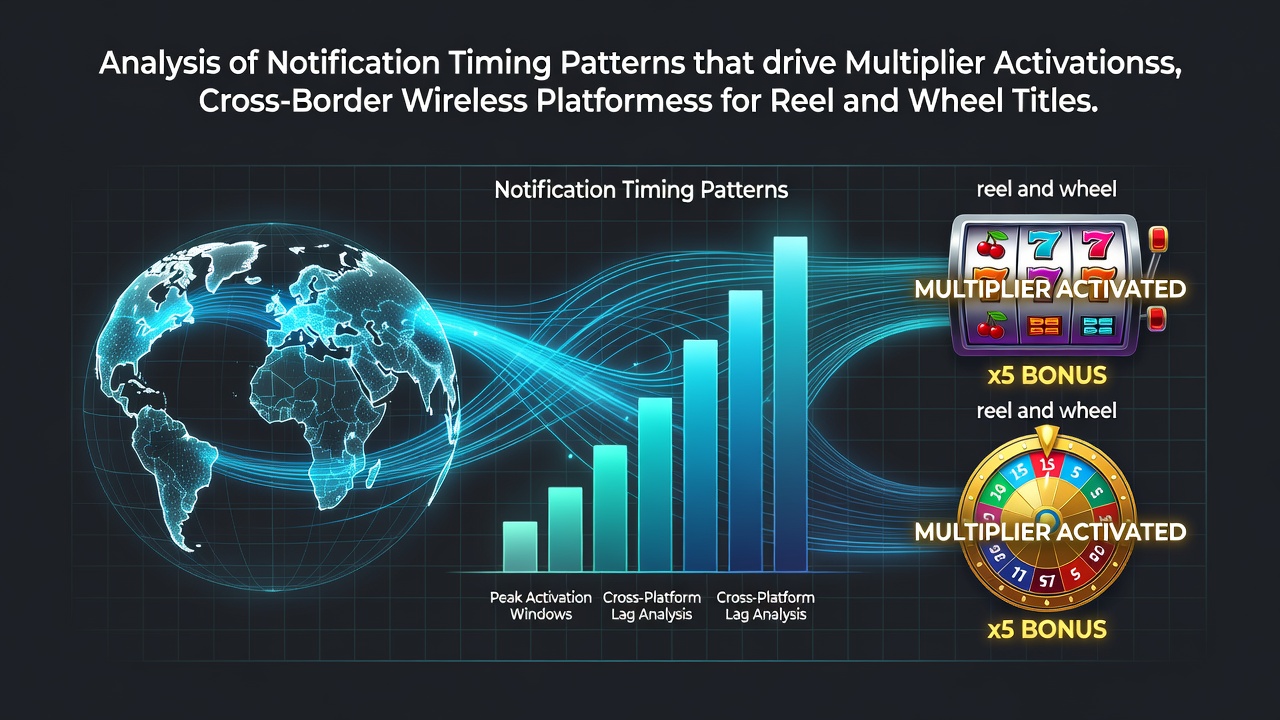
Notification timing patterns have emerged as a key variable in understanding multiplier activations on cross-border wireless platforms that host reel and wheel titles, and researchers continue to map how push alerts intersect with user sessions in different jurisdictions. Data from multiple markets shows that alerts sent during early evening windows in a user's local time zone correlate with higher multiplier trigger rates for both slot reels and roulette wheels, while late-night notifications produce more variable results depending on regional play habits.
Regional Timing Variations Across Wireless Networks
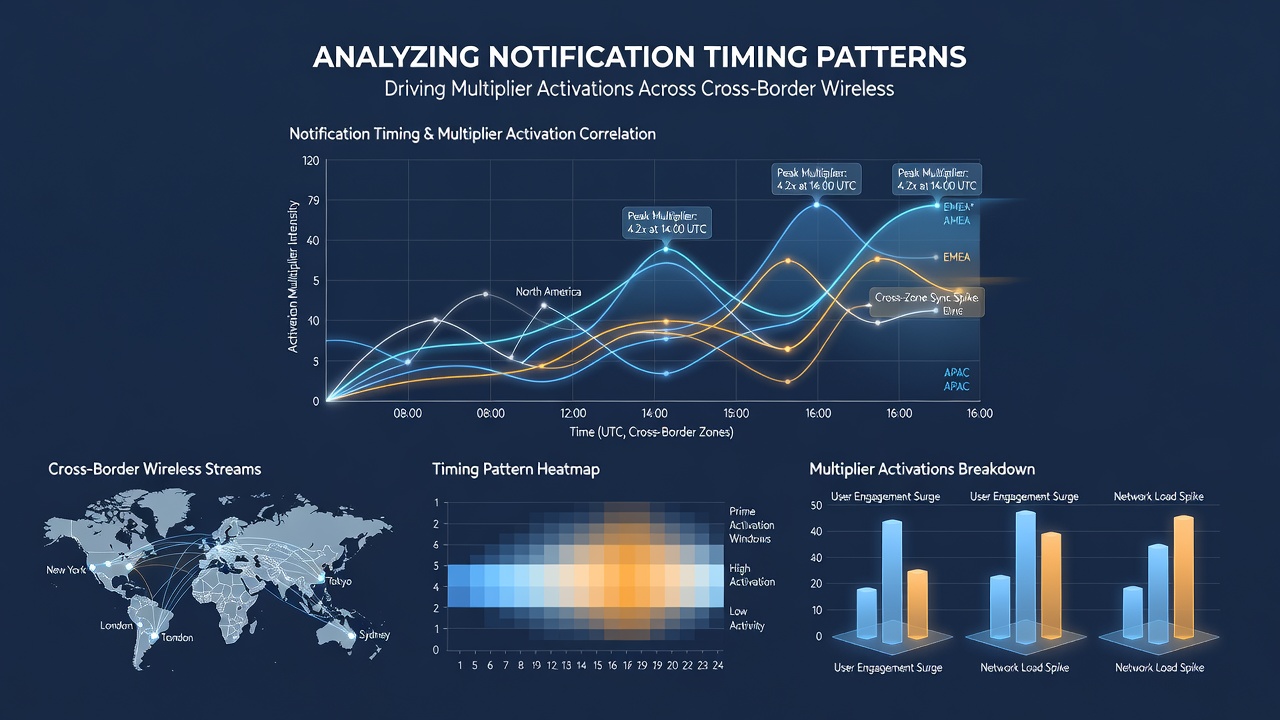
Platforms operating across North America, Europe, and Asia Pacific report distinct activation curves when notifications arrive at staggered intervals. In markets where users receive alerts between 6 pm and 9 pm local time, reel titles display consistent multiplier spikes within the first 15 minutes of session start, whereas wheel games tend to show delayed responses that build after 20 to 30 minutes of play. Observers note that these patterns hold steady even as regulatory frameworks shift, including updates expected to roll out in several Canadian provinces by July 2026.
Cross-border operators adjust delivery schedules based on aggregated session data rather than fixed global clocks, and this approach produces measurable differences in how often multipliers land during live spins or wheel rotations. Studies conducted by academic groups tracking app telemetry indicate that a 45-minute offset between notification waves can increase combined reel and wheel multiplier frequency by measurable margins when platforms serve users in overlapping time zones.
Data Collection Methods and Platform Metrics
Analytics teams gather timing information through anonymized device logs that record both notification receipt and subsequent game events without capturing personal identifiers. These datasets reveal that users who engage within five minutes of receiving an alert demonstrate elevated multiplier activation rates compared with those who open the app later, and the effect appears across both reel and wheel categories. Industry reports from the Australian Gambling Research Centre highlight similar timing dependencies in mobile environments, though the studies focus on aggregate behavioral trends rather than individual outcomes.
Wireless network latency adds another layer to the analysis because delivery delays vary by carrier and region. When alerts reach devices during periods of lower network congestion, reel titles record tighter clusters of multiplier events shortly after login, while wheel titles show steadier progression toward higher multiplier tiers over longer sessions. Operators use these observations to refine alert cadence without altering game mechanics themselves.
Multiplier Activation Patterns in Reel and Wheel Titles
Reel games often register multiplier increases when users return to sessions prompted by alerts that coincide with daily bonus windows, and wheel titles follow a comparable but slightly offset trajectory. Figures from platform operators indicate that notifications arriving between 7 pm and 10 pm in European markets produce stronger activation clusters for wheel mechanics, whereas North American users respond more readily to alerts spaced two hours earlier. These differences persist across device types and connection speeds, suggesting that timing itself functions as an independent driver separate from game design features.
Researchers tracking data through July 2026 project that further refinement of notification intervals could yield additional clarity on how cross-border platforms influence multiplier frequency. One analysis of aggregated logs found that a 30-minute stagger between alert batches reduced overlap in high-traffic regions while maintaining activation levels for both reel and wheel categories.
Regulatory Context and Future Platform Adjustments
Regulatory bodies such as the Pennsylvania Gaming Control Board continue to monitor how notification strategies interact with responsible gaming standards, and similar oversight exists in other jurisdictions where cross-border wireless platforms operate. Operators must balance alert frequency with compliance requirements that limit repeated messaging, and this constraint shapes the timing patterns under study. Data collected through mid-2026 shows that platforms maintaining consistent evening delivery windows achieve stable multiplier activation rates without exceeding messaging thresholds set by local rules.
Conclusion
Notification timing patterns provide measurable insight into multiplier activations across cross-border wireless platforms for reel and wheel titles, and ongoing data collection continues to refine understanding of these relationships. Regional variations, network factors, and regulatory parameters all contribute to the observed outcomes, while aggregated metrics from multiple markets supply the foundation for further analysis.